


The Congress has criticised the Narendra Modi government over what it described as an “aggressive privatisation agenda” in India’s space sector, questioning whether the push to promote private space startups could weaken the role of the Indian Space Research Organisation (ISRO).
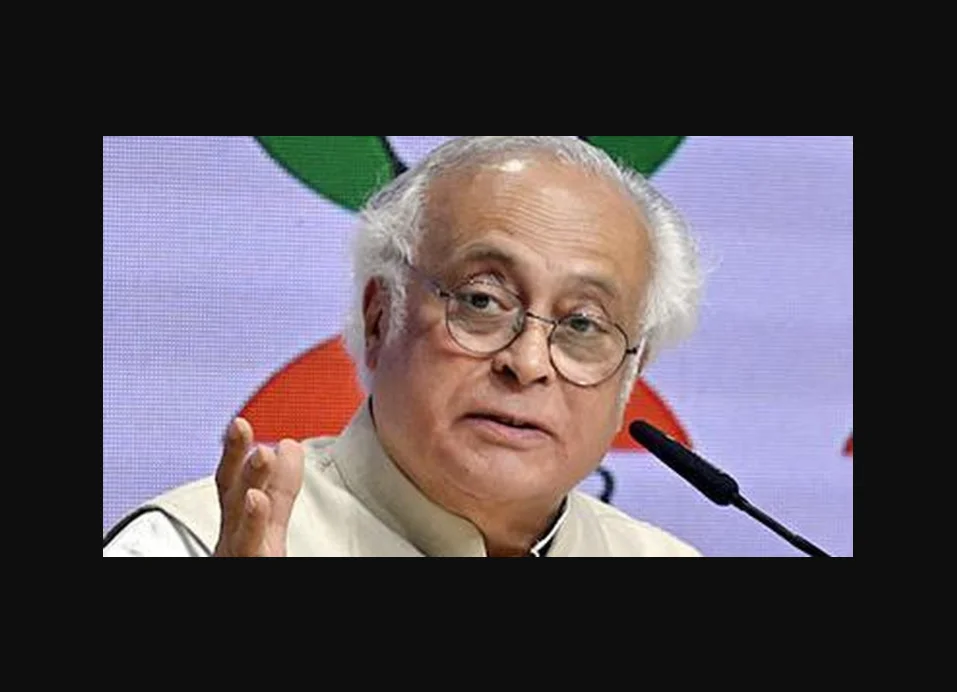
Congress general secretary in-charge of communications Jairam Ramesh said recent reports about ISRO’s future role had raised concerns about an organisation that has built its capabilities over more than six decades.
Congress Raises Concerns Over ISRO’s Role
Ramesh alleged that the government plans to significantly limit ISRO’s involvement in rocket development and manufacturing, while transferring some satellite-related assets to private companies.
He questioned why ISRO should be weakened when the organisation has historically worked closely with private-sector companies and has played a central role in India's space programme.
The Congress leader said private space startups should certainly receive encouragement and support, but argued that this should not come at the cost of ISRO’s core capabilities.
Concerns Over New Spaceport
Ramesh also raised questions about the proposed second spaceport in Tamil Nadu, claiming that the facility, for which the Centre is investing around ₹1,000 crore, could eventually be handed over to a private company.
He further questioned what the proposed changes could mean for the future of the historic Sriharikota spaceport in Andhra Pradesh.
Congress Claims Staff Exodus
Ramesh also claimed that around 100–120 key ISRO professionals have left the organisation in recent months, suggesting that employees may have concerns about its future direction.
The claim is part of the Congress's broader criticism of the government's proposed approach to greater private participation in the space sector.
ISRO’s Six-Decade Legacy
ISRO was established in 1969, with Vikram Sarabhai playing a key role in its formation and serving as its first chairman.
Ramesh highlighted the contributions of scientists and former ISRO leaders including Vikram Sarabhai, Satish Dhawan, Brahm Prakash, U.R. Rao and A.P.J. Abdul Kalam, arguing that the organisation's capabilities were built through decades of scientific work and institutional development.