A Delhi court has taken cognisance of the National Investigation Agency’s (NIA) extensive chargesheet in connection with the deadly Red Fort blast case, marking another important step in the investigation and judicial proceedings.
Special Judge Prashant Sharma of the Rouse Avenue Courts took cognisance of the agency’s 7,500-page prosecution report on Saturday. The court has scheduled the next hearing for September 9, when the required documents will be supplied and further proceedings will be considered.
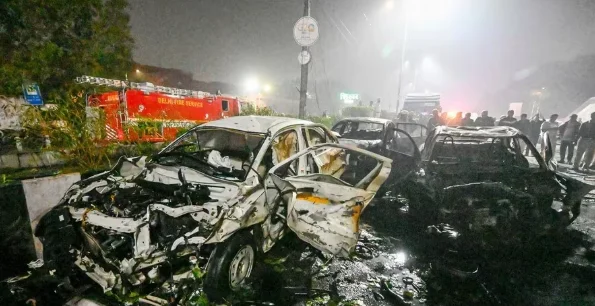
The blast took place on November 10, 2025, near the Lal Quila Metro Station when a vehicle-borne improvised explosive device exploded amid traffic. The incident killed at least 11 people and injured several others, besides damaging nearby vehicles and property.
13 accused named in the case
The NIA initially filed its chargesheet against 10 accused on May 14, 2026. It subsequently filed a supplementary chargesheet against three more people, taking the total number of accused charge-sheeted in the case to 13.
Among those named is Dr Umer Un Nabi, whom investigators have described as the alleged prime accused. Nabi died in the blast, and proceedings against him are proposed to be closed following verification of his death.
The NIA has alleged that the accused were linked to Ansar Ghazwat-ul-Hind (AGuH), which the agency describes as an offshoot of Al-Qaeda in the Indian Subcontinent (AQIS). These allegations remain subject to judicial proceedings.
NIA investigation and evidence
According to the agency, its investigation covered several regions, including Jammu and Kashmir, Haryana, Uttar Pradesh, Maharashtra, Gujarat and Delhi-NCR.
The prosecution case includes 588 witness testimonies, more than 395 documents and over 200 seized exhibits, according to the NIA.
The agency has alleged that the blast was part of a wider conspiracy and has referred to an alleged plan called “Operation Heavenly Hind.” The NIA has also alleged that some of the accused were involved in radicalisation, recruitment and logistical support for the conspiracy.
What happens next?
The court’s cognisance does not amount to a finding of guilt against the accused. It marks the judicial process moving forward after the prosecution report was placed before the court.
The next hearing on September 9 is expected to deal with compliance relating to supplying copies of the chargesheet and other documents to the accused under Section 230 of the Bharatiya Nagarik Suraksha Sanhita (BNSS).
The case is expected to remain under close judicial scrutiny as the court examines the evidence and the alleged roles of each accused.