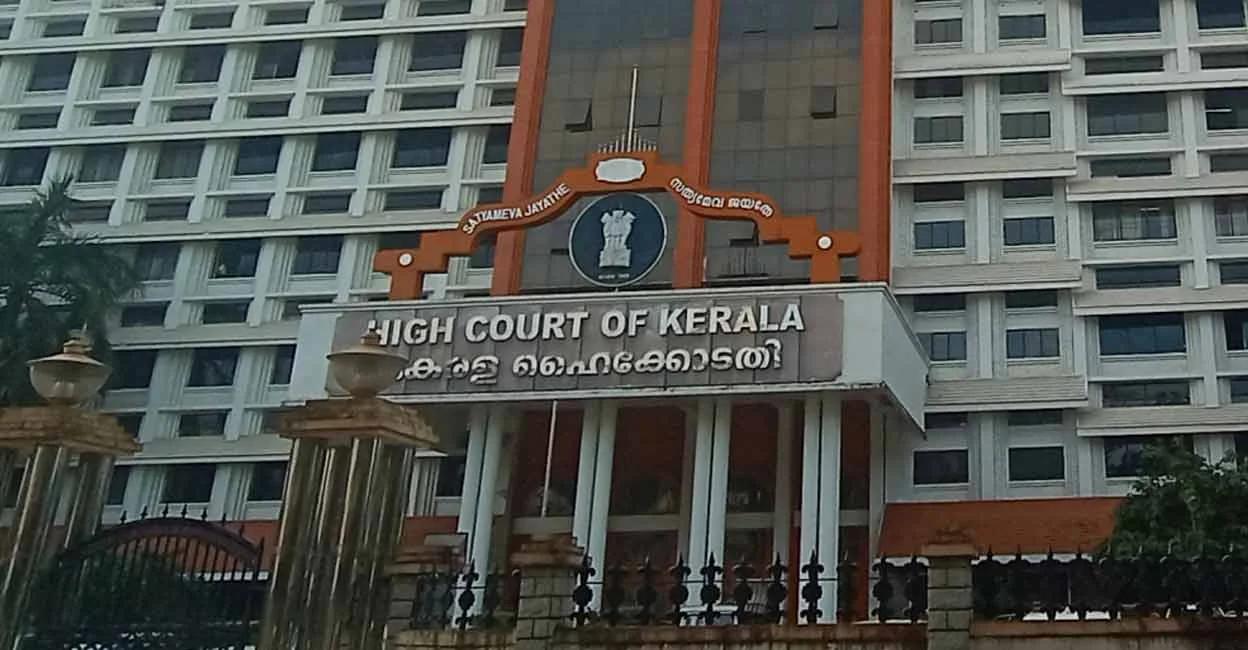
The Supreme Court has delivered an important ruling on the limits of the Bar Council of India’s authority over students pursuing legal education.
A three-judge Bench comprising Chief Justice of India Surya Kant, Justice Joymalya Bagchi and Justice V. Mohana held that the BCI does not have statutory jurisdiction to take disciplinary action against law students who have not yet enrolled as advocates.
The Court noted that the Advocates Act, 1961, under which the BCI is constituted, does not give the regulatory body either an express or implied power to discipline students studying law.
NALSAR Controversy Behind the Case
The ruling arose from the controversy involving students of Hyderabad’s NALSAR University of Law.
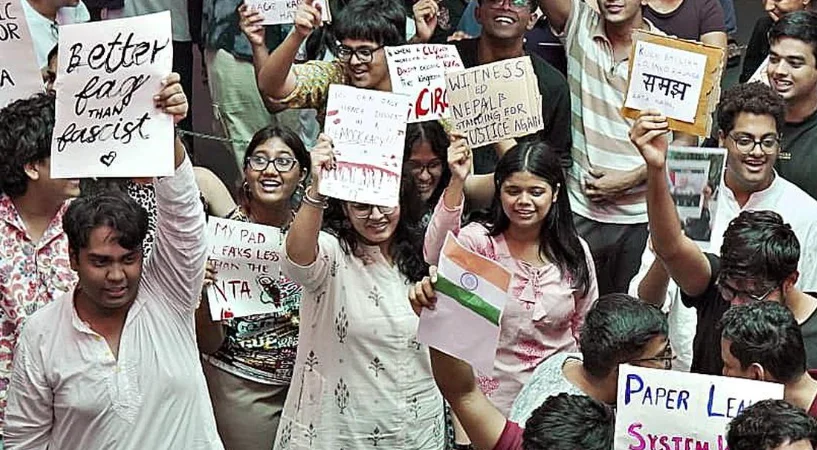
A section of students had opposed the proposed participation of CJI Surya Kant as chief guest at the university’s convocation. Following the campaign, the BCI chairman issued directions concerning the enrolment of NALSAR’s 2026 graduating batch.
The initial communication directed that the graduates should not be enrolled as advocates by State Bar Councils until further orders. Although the decision was subsequently withdrawn, the BCI also sought an inquiry into the campaign involving students and faculty members.
The issue eventually reached the Supreme Court.
Universities Responsible for Student Discipline
The Supreme Court made it clear that disciplinary matters involving students fall within the jurisdiction of the university or educational institution where they are enrolled.
According to the ruling, the BCI can prescribe and enforce standards relating to legal education within its statutory framework. However, that authority does not extend to imposing disciplinary action on students before they become advocates.
The Court further clarified that the BCI's regulatory role begins when a law graduate is formally enrolled as an advocate.
BCI Communications Declared Without Jurisdiction
The Supreme Court declared the BCI communication dated August 13, 2026, along with subsequent modified communications issued in the matter, to have been made without legal authority.
Since the BCI had already withdrawn its directions, the Court brought the proceedings to a close while making its legal position on the issue clear.
Why the Verdict Matters
The judgment draws a clear line between legal education and professional regulation. Universities and law schools remain responsible for dealing with student conduct, while the BCI and State Bar Councils exercise their statutory regulatory role once graduates enter the legal profession.
The ruling is therefore significant for law students, universities and the broader framework governing legal education and professional enrolment in India.