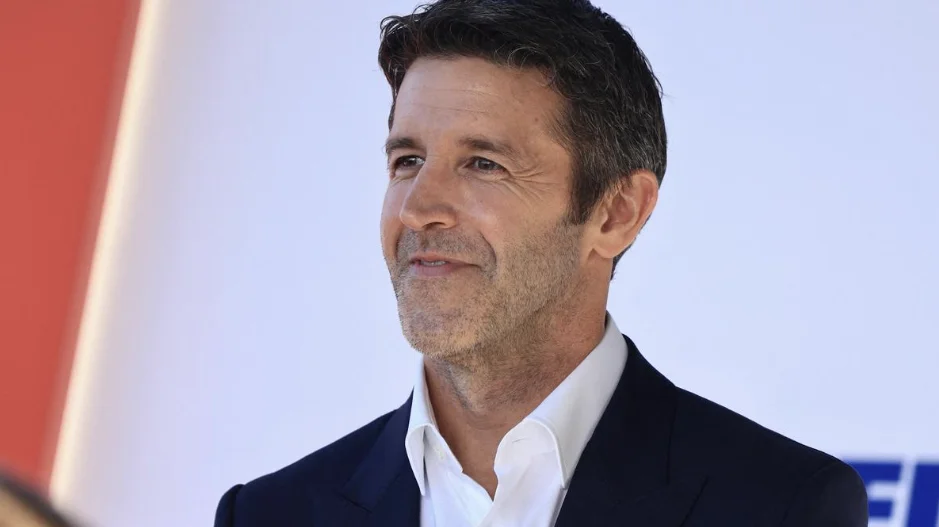
Apple is preparing for a major leadership transition as John Ternus is set to take over from Tim Cook and lead the company into an increasingly AI-driven technology landscape.
Ternus currently heads Apple’s hardware engineering organisation and has been closely involved in the development of several of the company’s most important products. His engineering background could shape Apple’s next phase as the company seeks to strengthen its position in artificial intelligence.
Tim Cook’s Successor
Tim Cook has led Apple through a period of significant expansion, transforming the company into one of the world’s most valuable technology businesses.
Under Cook, Apple expanded beyond its traditional dependence on the iPhone by growing its services business, wearables and custom silicon capabilities.
Ternus will now inherit that enormous business while facing a technology industry undergoing another major transformation.
Strong Hardware Engineering Background
Ternus has spent years working on Apple’s hardware products and has played an important role in the development of the iPhone, iPad and Mac.
His experience gives him a detailed understanding of Apple’s approach to product design, engineering and integration between hardware and software.
That background could become particularly important as artificial intelligence increasingly moves from cloud services into consumer devices.
AI Is the Biggest Challenge
One of the biggest challenges facing Ternus will be Apple’s artificial intelligence strategy.
Apple has faced criticism for moving more slowly than some of its technology rivals in developing and deploying AI-powered features. Google, Microsoft, Meta and other major companies have made significant investments in artificial intelligence.
Apple will need to accelerate its AI development while maintaining the tightly integrated user experience that distinguishes its products.
Building on Apple Silicon
Apple’s transition from Intel processors to its own silicon has given the company greater control over the relationship between hardware and software.
The Apple silicon strategy has also created opportunities to build powerful AI capabilities directly into its devices.
Ternus’s hardware expertise could therefore be particularly valuable as Apple looks to integrate AI more deeply into future Macs, iPhones and other products.
Growth Beyond the iPhone
The iPhone remains central to Apple’s business, but the company needs additional sources of long-term growth.
Wearables, services, computers, tablets, health technologies and new product categories are expected to remain important areas for expansion.
Artificial intelligence could influence virtually all of these businesses, from personal assistants and software features to health applications and device automation.
A Different Leadership Style?
Ternus has spent a significant part of his career inside Apple, but his leadership style could differ from Cook’s.
His strong engineering background may lead to a greater focus on product development and technology. At the same time, he will need to coordinate Apple’s hardware, software, services and AI teams closely.
Maintaining Apple’s culture while encouraging faster innovation could become one of his most important responsibilities.
Competition Is Intensifying
Apple faces growing competition from companies such as Google, Microsoft, Meta and Amazon, all of which are investing heavily in artificial intelligence.
The rapid development of generative AI has also changed consumer expectations around smartphones, computers and digital assistants.
Apple will have to develop competitive AI products while preserving its focus on privacy, design and tightly integrated hardware and software.
Investors Will Be Watching
Investors will closely monitor the leadership transition and its impact on Apple’s business.
Key questions will include whether Ternus can accelerate AI development, maintain the company’s product momentum and identify new sources of growth beyond the iPhone.
The transition will also test whether Apple can preserve the scale and profitability achieved under Cook while moving aggressively into new technologies.
Conclusion
John Ternus’s expected move into Apple’s top leadership role comes at a critical moment for the company. His extensive hardware engineering experience could help Apple strengthen its product development and build on the success of its custom silicon strategy.
But artificial intelligence will be the defining challenge of his tenure. With rivals moving rapidly in generative AI and AI-powered devices, Ternus will need to help Apple accelerate innovation without losing the integrated product experience that has defined the company.
His leadership could therefore determine how successfully Apple moves from the era dominated by the iPhone into a new phase shaped by artificial intelligence.