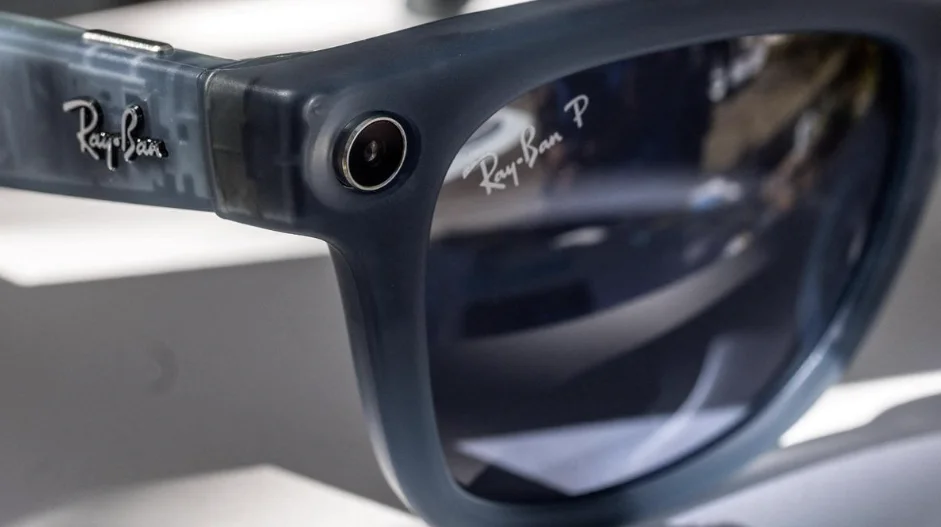
Meta is rolling out a new privacy safeguard for its AI smart glasses after discovering that users could bypass an existing protection and record people without their knowledge.
The glasses have a white capture LED that lights up when photos or videos are being recorded, allowing people nearby to know that the device is capturing content. However, users could previously start recording while the light was visible and then cover it, creating a loophole that allowed recording to continue without the visible warning.
Recording Will Stop If Light Is Covered
Under the new update, the camera will stop working if the capture LED is covered while a recording is already in progress.
The change is designed to make the warning light more reliable and ensure that people nearby receive a visible indication whenever the glasses are recording photos or video.
How the Earlier Loophole Worked
Meta had already introduced a safeguard that prevented the camera from starting a recording when the capture LED was blocked.
However, the protection could be bypassed by reversing the sequence. A user could begin recording with the LED visible and then cover the light after the recording had started.
The new system closes that loophole by checking whether the capture light remains unobstructed throughout the recording process.
Growing Concerns Over Secret Recording
Meta’s AI glasses have faced increasing criticism because they look similar to ordinary spectacles, making it difficult for bystanders to know when they are being recorded.
Reports have highlighted cases involving people being filmed without their knowledge in public spaces and private settings. Some recordings have reportedly been shared online, intensifying concerns over consent, harassment and personal privacy.
Meta Targets LED Tampering
Meta has also been taking action against attempts to modify or disable the capture LED.
The company has moved against posts, accounts and services that promote ways to tamper with the indicator light. The goal is to prevent users from deliberately disabling the visual signal designed to alert people nearby.
Privacy Pressure Is Growing
As smart glasses become more common, privacy concerns are becoming more significant.
Unlike a smartphone or conventional camera, a pair of smart glasses can look almost indistinguishable from ordinary eyewear. That makes it harder for people to recognise that they may be within the camera’s field of view.
The concerns have already prompted discussions about restricting smart glasses in places such as schools, courts, restaurants and other public venues.
Questions Around Recorded Data
Privacy concerns extend beyond whether a bystander knows they are being recorded.
There are also questions about how photos, videos and other information captured by AI glasses are stored, processed and potentially used. Meta says media remains on the user’s device unless it is shared, while content shared with Meta AI may be reviewed for service improvement.
That has raised broader questions about consent and the privacy rights of people who appear in recordings but never agreed to share their data.
A Major Challenge for Meta
Meta is trying to make AI glasses a mainstream consumer technology, but privacy concerns could become a major obstacle to wider adoption.
Ensuring that bystanders can reliably tell when recording is taking place will be essential as the devices become more widespread. Preventing users from bypassing the capture indicator is therefore an important part of Meta’s broader privacy strategy.
Conclusion
Meta is closing a loophole in its AI smart glasses that allowed users to conceal the recording indicator after starting a video.
The new safeguard will stop the camera if the capture LED is covered during recording, making it harder to use the glasses for covert filming. While the update does not eliminate every privacy risk associated with wearable cameras, it represents another step by Meta to address growing concerns over non-consensual recording and the use of AI glasses in public spaces.