



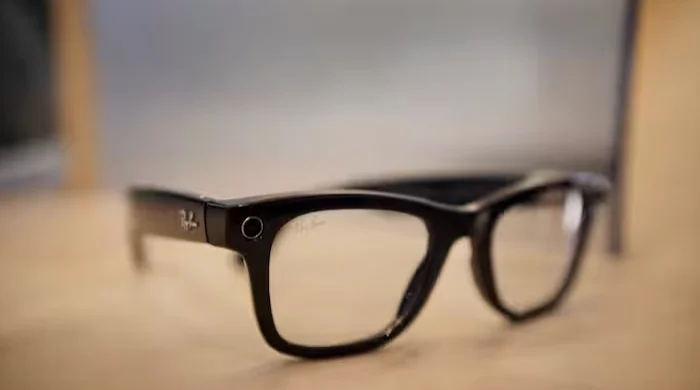
Norway Turns Attention to Smart Glasses
Smart glasses equipped with cameras, microphones and internet connectivity are becoming increasingly sophisticated. Companies such as Meta and Snap are developing wearable devices designed to combine traditional eyewear with AI-powered features.
Norway’s Digital Minister Karianne Tung said there is a clear trend towards combining AI with cameras and microphones embedded in everyday objects such as glasses, headphones and hats.
Privacy at the Centre of the Debate
Camera-enabled glasses can allow users to take photos and record videos from their own point of view. The technology has legitimate uses, including content creation, travel and hands-free assistance.
However, privacy advocates are concerned about situations in which people nearby may be recorded without their knowledge or consent. The discreet nature of wearable cameras can make it harder for bystanders to know when recording is taking place.
Why Are They Called ‘Pervert Glasses’?
Some critics have adopted the term “pervert glasses” to describe camera-equipped smart glasses because of fears that they could be misused for covert filming.
Sensitive environments such as changing rooms and other private spaces have become part of the wider privacy debate surrounding wearable cameras. At the same time, the technology itself has legitimate applications and should not necessarily be viewed only through the lens of potential misuse.
Facial Recognition Raises New Questions
Norway is also concerned about the possibility of facial recognition becoming increasingly integrated into smart glasses.
Tung said the government may need to consider restrictions on using facial recognition to identify other people in public places. Such technology could create new privacy concerns if individuals can be identified without their knowledge or consent.
Norway Plans Expert Review
The Norwegian government plans to establish a group of experts to advise it on how privacy rights can be better protected as wearable technology develops.
The review could examine whether existing laws are sufficient to deal with devices that combine cameras, microphones, AI and internet connectivity. Regulators face the challenge of keeping rules updated as these technologies evolve rapidly.
Smart Glasses Also Have Benefits
Despite the concerns, smart glasses can offer significant practical benefits. AI-powered visual assistance could be particularly useful for people with visual impairments and others who need hands-free access to information.
Navigation, translation, visual recognition and other AI-based services could make wearable technology an important part of everyday life. The challenge for policymakers will be to protect privacy without unnecessarily restricting legitimate uses.
A Wider Debate Across Europe
Norway is not alone in examining the privacy implications of camera-equipped smart glasses. Other countries and organisations are also debating whether such devices should be restricted in cinemas, theatres and other public venues.
As the smart-glasses market expands, questions about consent, visible recording indicators, data storage and the responsibilities of manufacturers and users are likely to become increasingly important.
Conclusion
Norway’s consideration of restrictions on camera-enabled smart glasses highlights the growing tension between technological innovation and personal privacy. While the devices offer useful AI and accessibility features, their ability to capture images and potentially identify people raises legitimate concerns. As cameras and AI become more deeply integrated into everyday wearables, governments will face increasing pressure to establish clear rules that protect privacy while allowing beneficial technologies to develop.