UPI Completes a Decade
India's Unified Payments Interface has reached a major milestone, completing a decade of transforming the country's digital payments ecosystem.
Launched on August 25, 2016, UPI was developed by NPCI under the regulatory oversight of the Reserve Bank of India.
From 1.78 Crore to 24,162 Crore Transactions
UPI's growth over the past decade has been extraordinary.
Annual transaction volume increased from 1.78 crore in FY2016-17 to more than 24,162 crore in FY2025-26, an almost 13,000-fold rise.
Transaction value rose from ₹0.07 lakh crore in FY17 to approximately ₹314 lakh crore in FY26, representing an increase of more than 4,000 times.
July Sets New Monthly Record
UPI reached another major milestone in 2026.
Monthly transaction volume crossed 2,300 crore for the first time in May, when 2,320 crore transactions were recorded.
July went even higher, with 2,366 crore transactions, the highest monthly volume in UPI's history. Transaction value during July stood at approximately ₹29.88 lakh crore.
More Than 66 Crore Transactions a Day
UPI is now processing an average of more than 66 crore transactions every day.
Its growth reflects how deeply digital payments have become embedded in everyday economic activity, from small retail purchases to business payments.
Bank Participation Expands
The number of banks participating in the UPI network has also grown dramatically.
The platform had 44 banks in FY2016-17. That number rose to 703 banks by FY2025-26, while 741 banks were live on UPI as of July 2026.
Backbone of India's Digital Payments
UPI has become one of the key pillars of India's digital public infrastructure.
It enables instant peer-to-peer and peer-to-merchant payments through an interoperable platform.
Government data shows that UPI accounted for 84% of India's digital payment transactions in FY2025-26.
World's Largest Real-Time Payment System
UPI has also gained international recognition.
The International Monetary Fund has recognised UPI as the world's largest real-time payment system by transaction volume.
In 2025, UPI accounted for nearly 49% of global real-time payment transaction volumes, according to the data cited by the government.
UPI Goes Global
What began as a domestic payment innovation has expanded beyond India's borders.
UPI is currently operational in 11 countries: the UAE, France, Bhutan, Sri Lanka, Nepal, Singapore, Mauritius, Qatar, Cambodia, Greece and the Maldives.
Driving Financial Inclusion
UPI has also helped expand access to digital financial services.
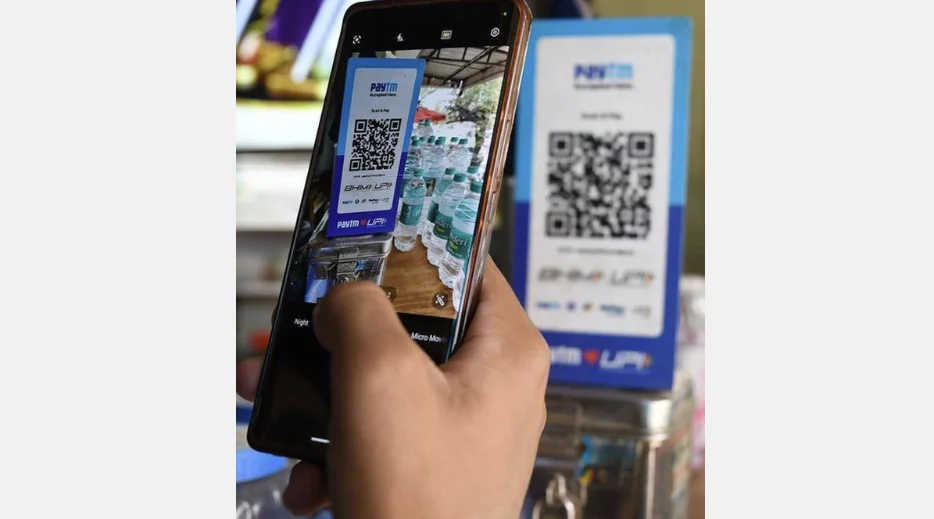
Small businesses, merchants and individual users can accept or make payments using QR codes and other simple interfaces, helping bring more participants into the formal digital economy.
The government has highlighted UPI's role in strengthening financial inclusion and bridging the digital divide.
Focus on the Next Decade
After a decade of rapid expansion, the next phase of UPI is expected to focus on bringing more users and merchants into the ecosystem.
The government has said it will continue supporting UPI-led innovation through policy measures, technological development and financial-inclusion initiatives.
Conclusion
UPI has transformed India's digital payments landscape in just 10 years.
Annual transaction volume has jumped from 1.78 crore in FY17 to more than 24,162 crore in FY26 — an almost 13,000-fold increase. Transaction value has simultaneously grown from ₹0.07 lakh crore to around ₹314 lakh crore.
With more than 66 crore daily transactions, hundreds of participating banks and operations in 11 countries, UPI has emerged as one of India's most successful digital infrastructure platforms.