



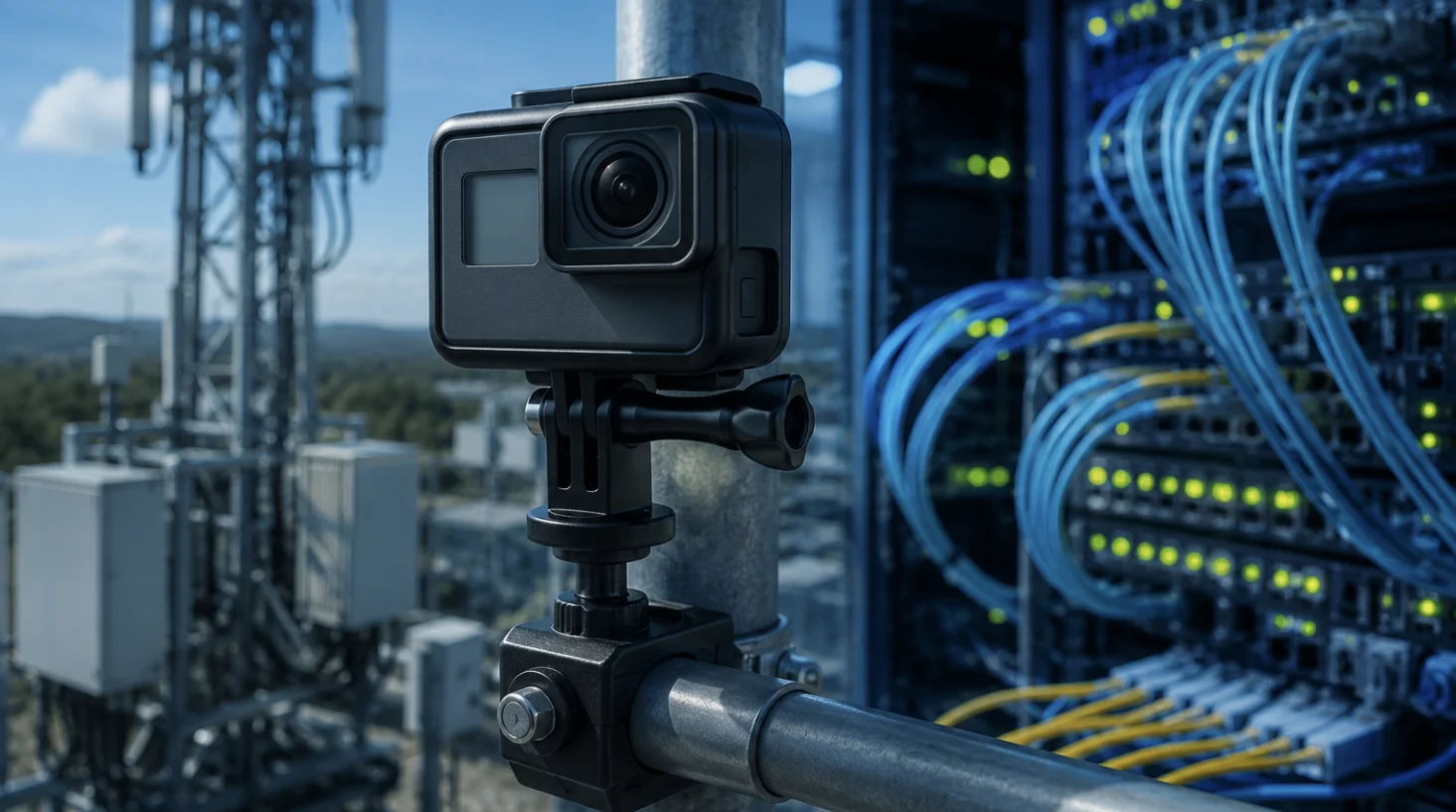
$285 million merger agreement
GoPro and Starman Optical announced their definitive merger agreement on September 1, 2026.
Under the transaction, GoPro shareholders will receive an aggregate $285 million in cash, or $1.14 per share, while collectively retaining approximately 10% ownership of the combined company.
The transaction will also eliminate GoPro's approximately $92 million in outstanding debt at closing, giving the company a substantially cleaner balance sheet.
GoPro looks beyond action cameras
GoPro built its global reputation around action cameras, but the company has faced increasing pressure from smartphones, competitors and slowing business growth.
The merger marks an effort to diversify the company's operations. GoPro plans to continue supporting its consumer cameras, subscription services and cloud platform while expanding into higher-growth markets built around optics, imaging and AI infrastructure.
What does Starman Optical do?
Starman Optical is a privately held U.S. optical-photonics company focused on optical transceivers and related photonics technologies.
Optical transceivers are critical components in high-speed communications systems. They convert electrical signals into optical signals and back again, making them increasingly important for AI data centers handling enormous volumes of data traffic.
A push into AI data centers
Bringing Starman's optical-transceiver business into GoPro is one of the central strategic goals of the transaction.
Starman New Photonics has developed 800G and 1.6T optical transceivers aimed at hyperscale data-center deployments. Combining those capabilities with GoPro's optics and imaging expertise could give the company an entry point into the rapidly expanding AI infrastructure market.
Defense and aerospace become new targets
The combined company also plans to use GoPro's decades of experience in imaging and optics across government, defense, robotics and aerospace.
GoPro says it has built an intellectual-property portfolio containing more than 2,500 U.S. patents over the past 24 years. The companies intend to combine those capabilities with Starman's photonics technology to develop products for strategic markets.
Bringing more manufacturing to the US
Another major part of the strategy is domestic manufacturing.
Starman wants to expand U.S.-based production of optical components while GoPro contributes its optics, imaging expertise and intellectual property. The companies say the combination could help address demand for U.S.-made technology in AI infrastructure and national-security applications.
GoPro cameras are not going away
The merger does not mean GoPro is abandoning its consumer products.
The company has said it will continue to support its existing cameras, subscription business and cloud platform. Its current consumer operations are expected to continue while the company develops a broader product roadmap.
That creates a dual strategy: maintain the action-camera business while building new revenue opportunities in AI infrastructure, optics, imaging and defense-related markets.
A financial lifeline for GoPro
The deal also comes at a critical financial moment for GoPro.
The company warned investors in June that it could struggle to continue operating without additional funding. Founder and CEO Nicholas Woodman subsequently invested $20 million in the business.
The Starman transaction could now remove GoPro's debt burden while providing resources and a strategic path into new markets.
When will the merger close?
The transaction has already been approved by the boards of both companies.
However, it still requires approval from GoPro shareholders and regulatory authorities, along with other customary closing conditions.
The companies expect the transaction to close by the end of 2026.
Conclusion
The GoPro-Starman Optical merger represents a major strategic shift for the action-camera pioneer. The $285 million transaction will eliminate GoPro's approximately $92 million debt while giving the company access to optical-transceiver technology and new opportunities in AI data centers, defense, government, robotics and aerospace.
GoPro's consumer camera business will continue, but the company's ambitions are now much broader. The merger could mark the beginning of GoPro's transformation from an action-camera specialist into a diversified optics, imaging and AI infrastructure company.