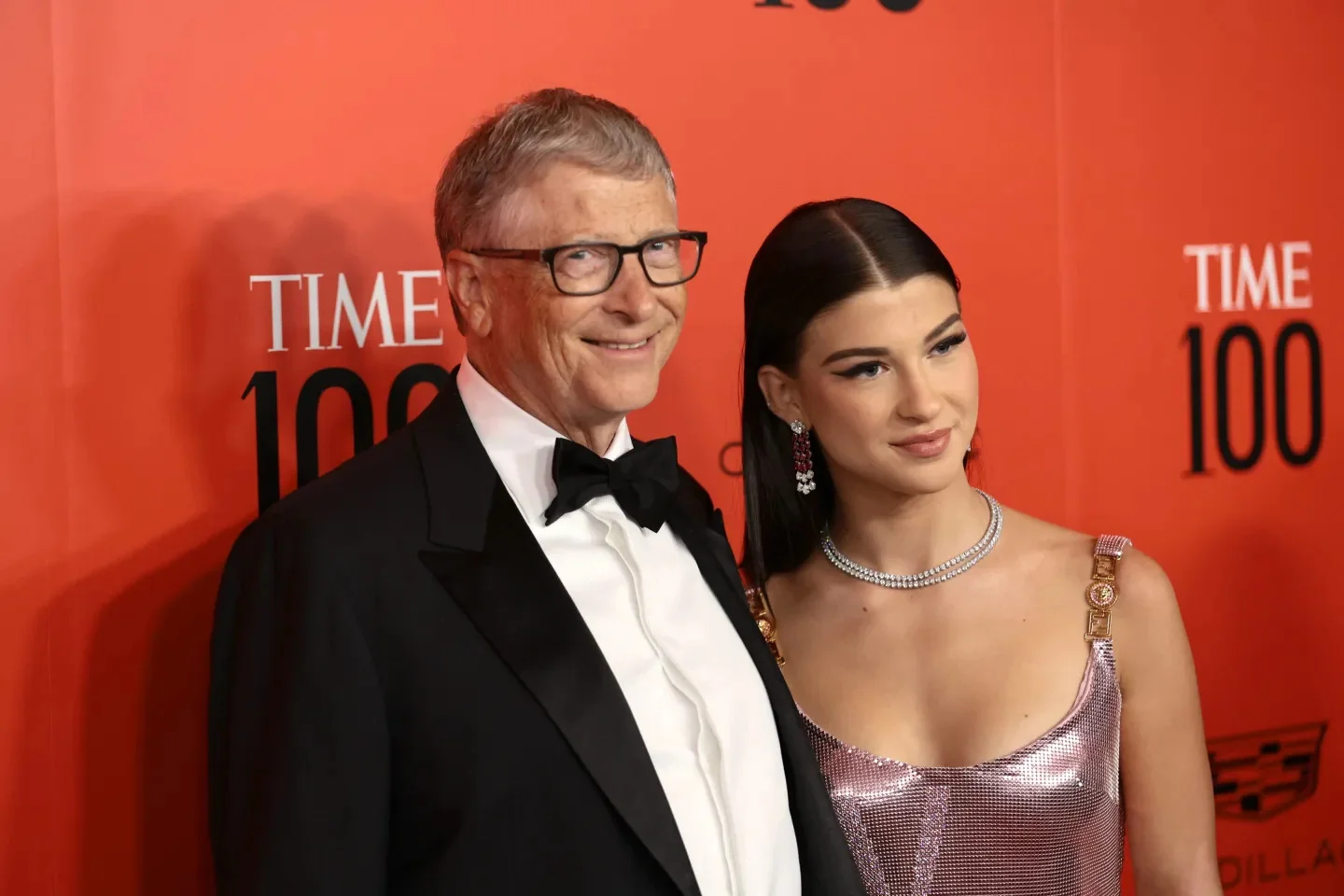
Phoebe Gates, the youngest daughter of Microsoft co-founder Bill Gates, has come under scrutiny after allegations surfaced against her AI-powered shopping startup Phia. The company has been accused of engaging in "cookie stuffing," a practice that allegedly allows affiliate commissions to be earned without genuine customer referrals. The allegations have sparked debate in the U.S. tech and e-commerce sectors.
Phoebe Gates co-founded Phia with her Stanford University classmate Sophia Kianni. The startup functions as an AI-powered personal shopping assistant that helps users find products, compare prices, and automatically apply discount coupons through a browser extension during online shopping.
Normally, when a customer uses Phia's coupon service, the extension places a tracking cookie that enables the retailer to recognize Phia's role in the purchase and pay an affiliate commission. However, critics allege that the platform inserts these tracking cookies even when customers do not use its coupon codes or services, allowing the company to collect commissions it may not have legitimately earned. This practice is commonly referred to as cookie stuffing.
Legal experts note that such practices, if proven, could fall under U.S. federal wire fraud laws or other consumer protection regulations. However, these are allegations only, and no court has determined that Phia or its founders engaged in any wrongdoing. Authorities would need to investigate and establish the facts before any legal liability could arise.
If any violations are ultimately proven in court, those responsible could face significant legal penalties under applicable U.S. law. At present, no criminal conviction or sentence has been imposed.