


US Priorities Shift Towards Oil Prices
The United States appears to be placing greater immediate emphasis on lowering oil prices and maintaining stability in global energy markets, even as Iran's nuclear programme remains a major long-term security concern.
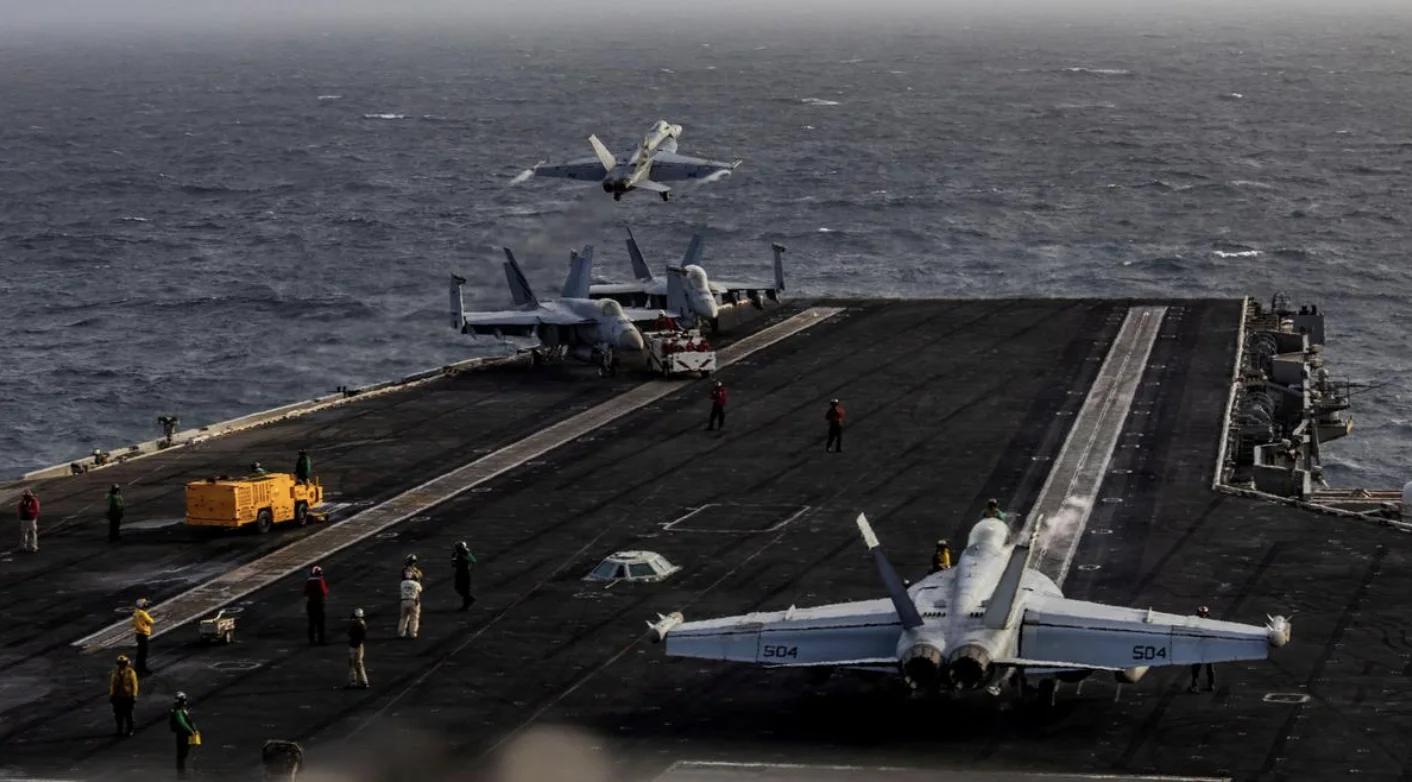
The shift comes against the backdrop of continuing tensions in West Asia, where any major disruption to oil production or transportation could have consequences for global energy supplies.
For Washington, keeping fuel prices under control has both economic and political importance.
Why Oil Prices Matter So Much
West Asia remains central to the global energy market, making regional instability a major concern for oil-consuming economies.
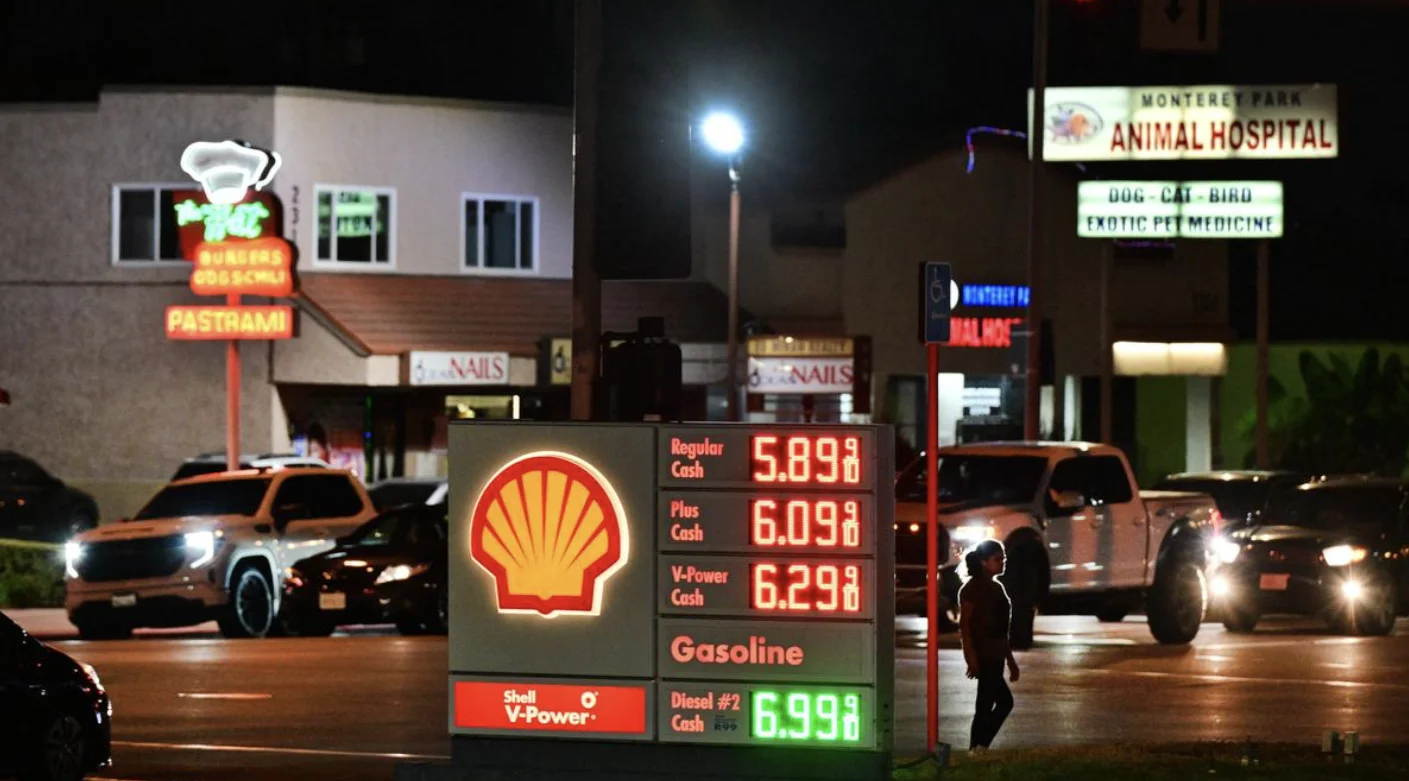
A sharp increase in crude prices can raise the cost of petrol, diesel, transportation and industrial production. Higher energy costs can then feed into broader inflation, increasing the financial pressure on households and businesses.
For the US administration, preventing a major oil-price spike therefore has implications well beyond the energy sector.
Iran's Nuclear Programme Has Not Disappeared
The shift in immediate priorities does not mean that Iran's nuclear programme has become irrelevant to Washington.
Iran's nuclear capabilities have been a major source of tension between Tehran and Western governments for years. Preventing Iran from developing nuclear weapons capability remains an important US security objective.
However, the immediate economic consequences of oil-price volatility are now receiving greater attention as regional tensions threaten to affect energy markets.
West Asia Tensions and Global Energy Supply
Developments involving Iran can have a direct impact on expectations in the global oil market.
The Strait of Hormuz, a critical energy shipping route, is particularly important because disruptions there could affect a significant portion of global oil and gas flows.
Even the possibility of disruption can push traders to price in greater risk, potentially increasing crude prices before any actual supply shortage occurs.
Domestic Political Pressure Over Fuel Costs
Oil and gasoline prices are politically sensitive issues in the United States.
Higher fuel prices can increase household expenses and raise costs across transportation, manufacturing and other sectors. Those increases can eventually affect the prices of everyday goods and services.
As a result, efforts to reduce energy costs can become both an economic priority and a domestic political imperative.
Balancing Security and Economic Interests
Washington now faces the challenge of balancing two major objectives.
One is limiting the potential security risks associated with Iran's nuclear programme. The other is maintaining stability in global energy markets and preventing a sharp increase in oil prices.
The two issues are closely connected because developments in Iran can simultaneously affect regional security and oil supplies.
Global Markets Are Watching Iran Closely
International energy markets are closely monitoring developments involving Iran and the wider West Asian conflict.
If oil supplies remain stable, prices could face less upward pressure. But any escalation that threatens production or shipping routes could quickly create new volatility.
Governments, energy companies and investors are therefore watching diplomatic developments alongside changes in crude production and supply routes.
What Comes Next?
The future direction of US policy will depend on developments surrounding Iran's nuclear programme, regional security and global energy markets.
Although lowering oil prices may have become the more immediate priority, Washington still faces the longer-term challenge of addressing Iran's nuclear ambitions.
How the US balances those economic and security interests could shape both its Iran policy and the wider energy market in the months ahead.