



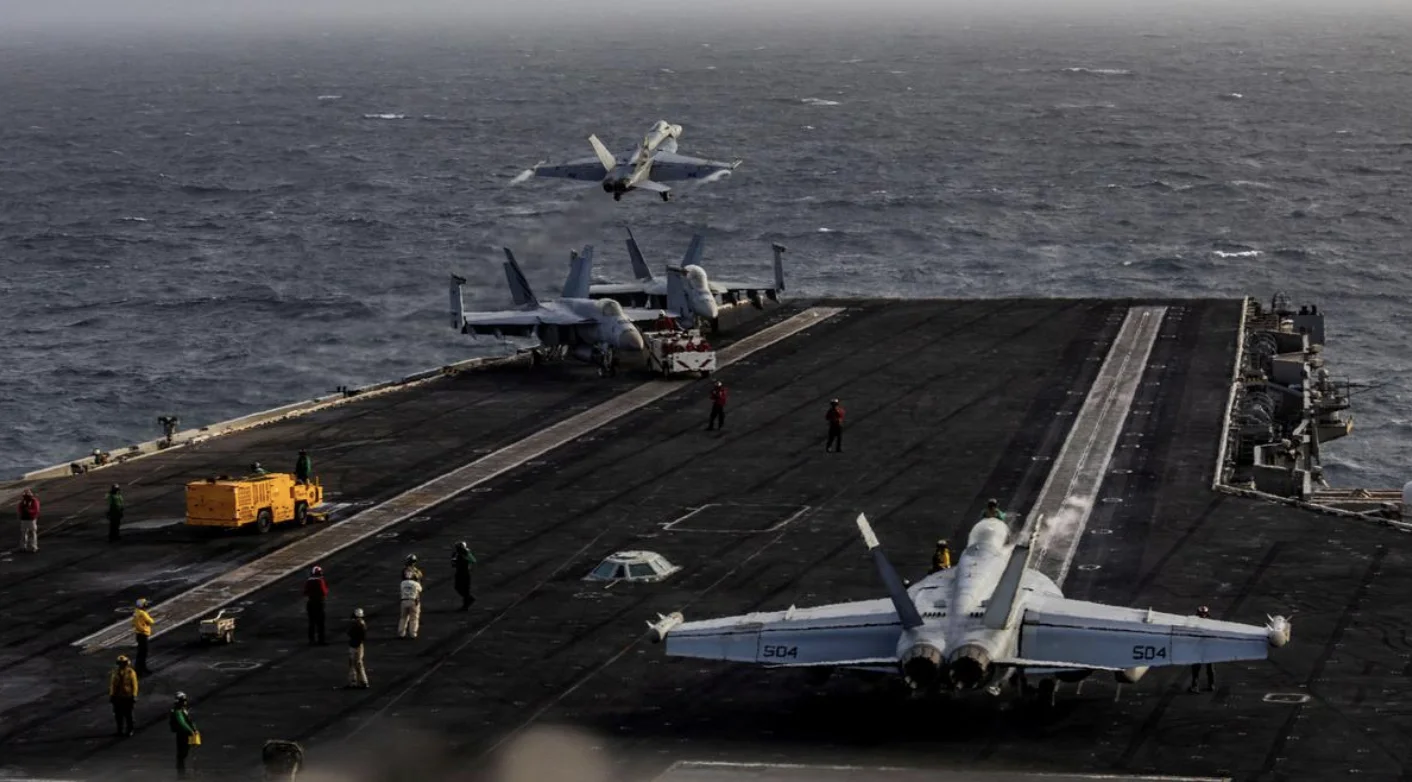
Trump Downplays Concerns Over USS Abraham Lincoln
President Donald Trump has dismissed concerns about conditions aboard the USS Abraham Lincoln, as the US Navy's aircraft carrier continues one of its longest deployments in recent history.
The carrier has been at sea for more than 250 days while supporting US military operations connected to the war with Iran. The unusually long deployment has raised questions about the physical and mental wellbeing of the sailors and Marines serving aboard the ship.
Trump Says Deployment Was “Not Nearly Long Enough”
Trump played down concerns over the length of the deployment, arguing that the carrier's time at sea was “not nearly long enough.”
His comments came as reports and statements from lawmakers highlighted concerns about the impact of the prolonged deployment on sailors and their families.
The remarks have triggered criticism from some lawmakers who argue that the wellbeing of service members should receive greater attention during extended wartime deployments.
Reports Raise Concerns About Conditions
Reports about the USS Abraham Lincoln have highlighted alleged shortages of food and supplies, maintenance problems and difficult living conditions.
There have also been concerns about the mental health of sailors after months without a conventional port visit. Some family members have reportedly raised alarms after receiving worrying messages from relatives serving aboard the ship.
The Navy has acknowledged an incident involving a sailor who went overboard, although it has not publicly classified the incident as a suicide attempt.
More Than 250 Days at Sea
The USS Abraham Lincoln's deployment has become one of the longest modern deployments by a US aircraft carrier.
The ship has reportedly spent more than 250 days at sea, with an extended period without a port call. Such prolonged deployments can place additional demands on crews, particularly when ships are operating at a high tempo during military operations.
Pentagon Rejects Reports of Severe Deterioration
Defense Secretary Pete Hegseth has also rejected reports that conditions aboard the carrier have deteriorated significantly.
Hegseth said Thursday that reports about the ship's conditions had been misrepresented. At the same time, the Pentagon is moving toward rotating the carrier and its crew, with another aircraft carrier heading towards the region.
USS George Washington Heads to the Middle East
The USS George Washington is now heading towards the Middle East and is expected to replace the Abraham Lincoln.
The move would allow the Lincoln and its crew to return after months of continuous deployment. The replacement also demonstrates the logistical demands involved in maintaining a sustained US naval presence in the region.
Lincoln Has Played a Key Role in Iran Operations
The Abraham Lincoln has played an important role in US military operations connected to the conflict with Iran.
Aircraft operating from the carrier have supported American operations in the region, making the ship an important component of Washington's military strategy.
However, the extended deployment has also raised questions about how long individual carriers and their crews can maintain such a high operational tempo without affecting personnel wellbeing and long-term readiness.
Lawmakers Demand Answers
Several US lawmakers have called for greater accountability from the Pentagon over conditions aboard the carrier.
Their concerns include the mental health of sailors, food and supply availability, maintenance issues and the overall impact of keeping crews deployed for such an extended period.
The debate is not limited to personnel welfare. Prolonged deployments can also raise questions about the Navy's ability to maintain ships, rotate crews and preserve long-term operational readiness.
What the Extended Deployment Means for the US Navy
Aircraft carriers are among the most important assets in the US military's global force structure. Keeping them deployed for extended periods requires substantial logistical support, maintenance and personnel management.
A prolonged deployment can increase fatigue among sailors while also creating additional maintenance demands for the ship. Rotating the Lincoln with another carrier could therefore help maintain US operations while giving the existing crew an opportunity to return home.
What Happens Next?
The arrival of the USS George Washington is expected to provide relief to the Abraham Lincoln and its crew.
However, the broader question is how long the US military will need to maintain an intensive naval presence in the Middle East while the Iran conflict continues.
Trump and senior Pentagon officials continue to reject claims that conditions aboard the Lincoln are as serious as some reports suggest. The decision to deploy a replacement carrier nevertheless highlights the importance of crew rotation, maintenance and sustained readiness during prolonged military operations.