


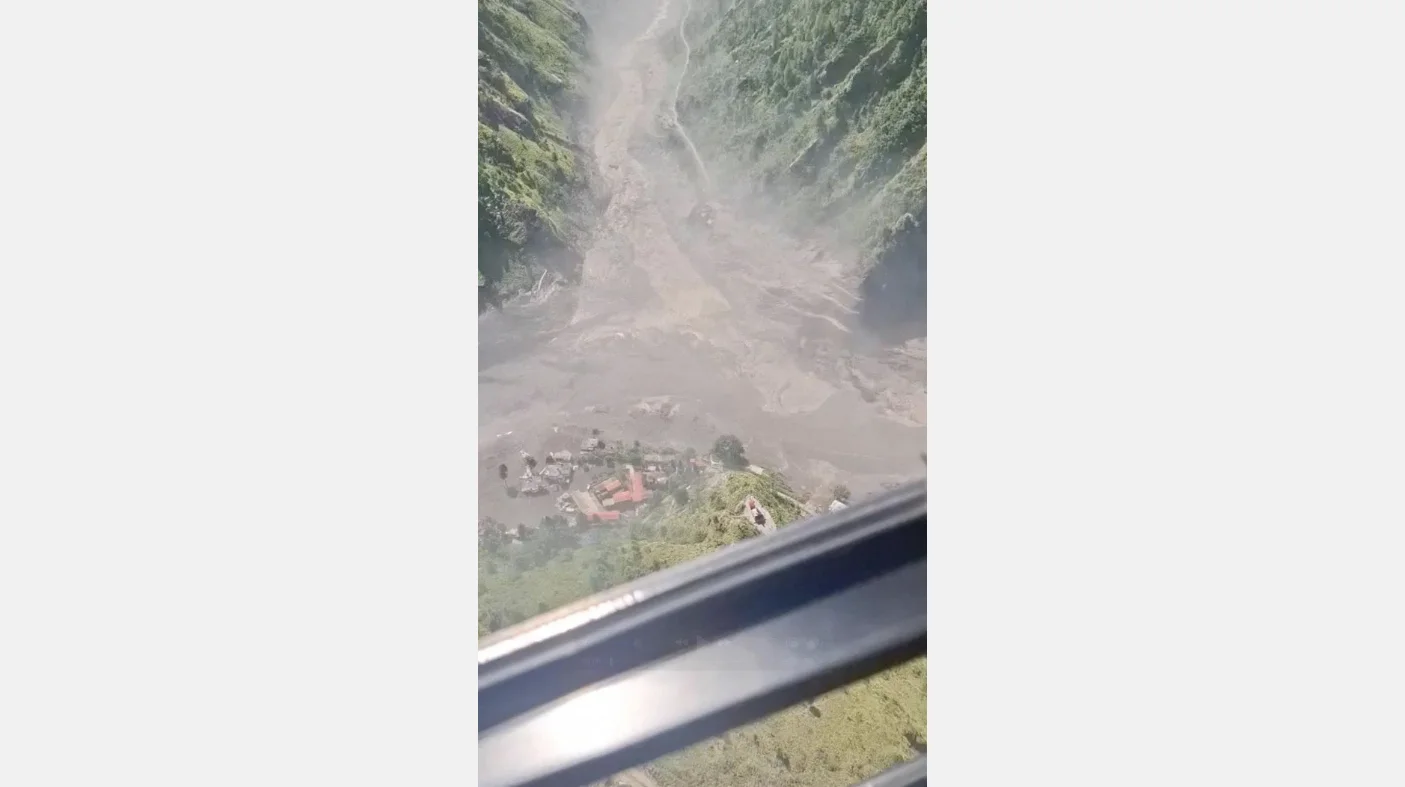
Heavy rain and flash floods in Nepal have disrupted travel across several areas, leaving pilgrims from Tamil Nadu stranded as authorities work to assess the situation and ensure their safety.
The worsening weather has affected roads and other transport links, making it difficult for pilgrims to continue their journey. In some mountainous areas, heavy rainfall can quickly trigger flooding, landslides and road blockages.
The stranded pilgrims have been unable to proceed as planned because of the difficult conditions.
Their families in Tamil Nadu are closely following developments and are concerned about when the group will be able to resume its journey or return home.
Officials are coordinating with local authorities to monitor the pilgrims' situation and determine what assistance may be required.
The immediate priority is to keep the travellers in safe locations until weather and road conditions improve.
Nepal's mountainous terrain makes transport particularly vulnerable during periods of heavy rain. Roads can become blocked by floodwater or debris, while landslides can cut off entire stretches of highways and local routes.
For pilgrims travelling through remote areas, such disruptions can make it difficult to reach airports, major towns or other transport hubs.
Authorities are therefore expected to assess road conditions before allowing stranded groups to continue their journeys.
The situation also highlights the risks faced by tourists and pilgrims travelling through Nepal during periods of severe weather.
Sudden changes in rainfall can cause rivers and streams to rise rapidly, while mountain roads can become dangerous within a short period.
Travellers caught in such conditions are generally advised to remain in safe locations and follow instructions from local authorities rather than attempting to cross flooded or damaged routes.
Tamil Nadu has a sizeable community of people who travel to Nepal for religious and spiritual pilgrimages. There have been previous instances of Tamil Nadu pilgrims becoming stranded in Nepal because of bad weather.
In 2018, for example, more than 1,500 Indian pilgrims travelling for the Kailash Mansarovar Yatra were stranded in the mountainous region near the Nepal-Tibet border after adverse weather disrupted transport. Tamil Nadu pilgrims were among those affected.
More recently, in March 2026, seven pilgrims from Tamil Nadu were killed in a bus accident in Nepal. The Indian government and embassy authorities subsequently coordinated assistance for the injured and arrangements for the deceased.
The current situation is different, with the immediate problem being weather-related disruption rather than an accident.
The condition of the roads and transport routes will determine when the stranded pilgrims can safely move out of the affected areas.
Authorities will also have to keep track of further weather developments. If heavy rain continues, additional flash floods and landslides could affect other routes and make evacuation more difficult.
For the pilgrims, staying in contact with officials and avoiding unsafe travel routes will remain important until conditions improve.
The incident has once again highlighted the importance of weather preparedness for people undertaking long-distance religious journeys in mountainous regions.
Travel plans can be disrupted quickly during Nepal's monsoon season, particularly in remote areas where alternative routes and transport options may be limited.
Officials are expected to continue monitoring the situation and coordinate assistance as necessary.
Once roads become accessible and weather conditions improve, arrangements can be made for the pilgrims to move towards safer areas and eventually continue or end their journey.
For now, the focus remains on ensuring the safety of the Tamil Nadu pilgrims stranded in Nepal and helping them return safely once transport links are restored.