


A verdict in the case linked to Sri Lanka's Easter Sunday bombings of 2019 is expected to be delivered in mid-September, marking an important stage in one of the country's most closely watched terrorism cases.
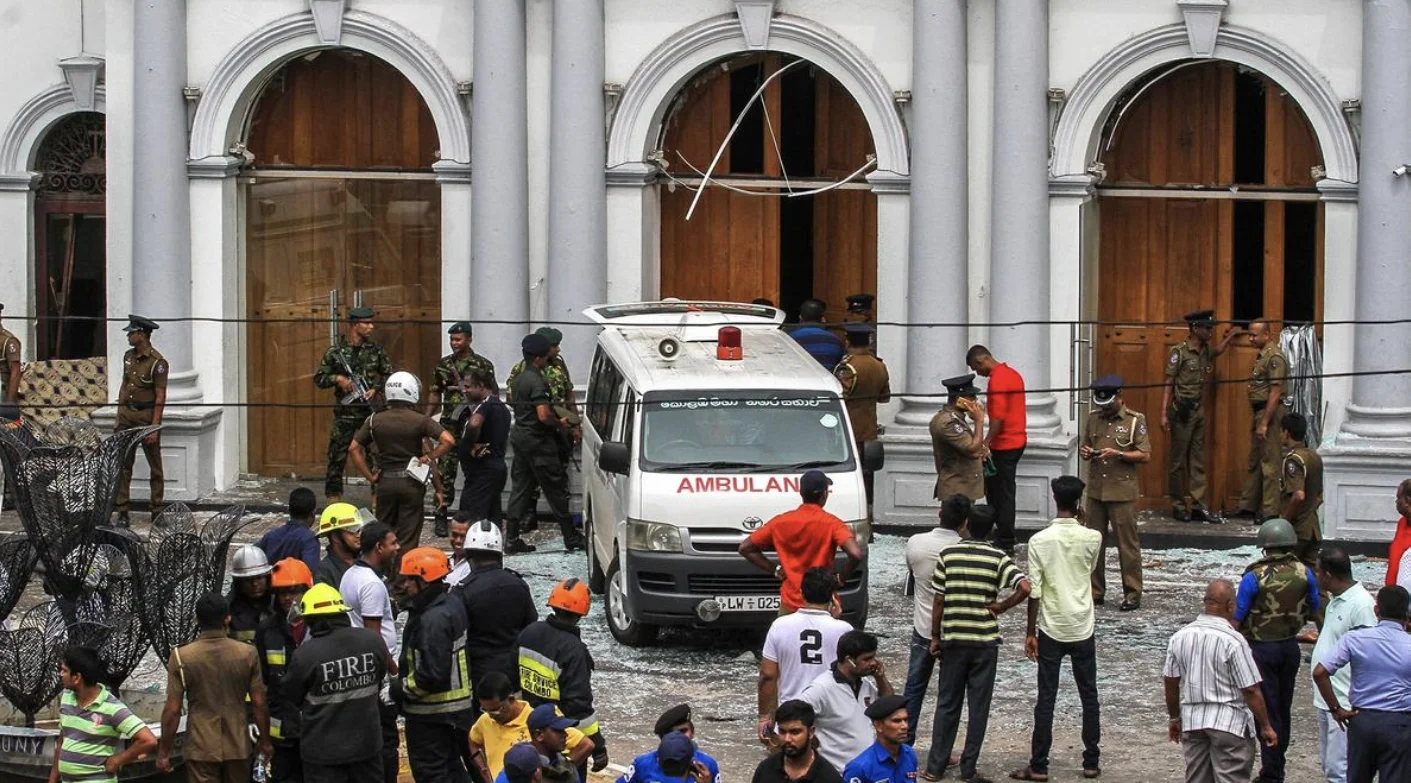
The coordinated attacks took place on April 21, 2019, when Easter worshippers and visitors were targeted in a series of explosions at churches and major hotels.
More than 270 people were killed and hundreds more were injured in the attacks, which shocked Sri Lanka and drew international condemnation.
The bombings also exposed serious questions about the country's security system. Authorities had reportedly received warnings about a possible attack before Easter Sunday, but allegations later emerged that the information was not acted upon effectively enough to prevent the tragedy.
A wide-ranging investigation was launched after the attacks. Investigators examined the people directly involved in the bombings, those accused of supporting them and the wider network believed to have been connected to the plot.
The legal proceedings have consequently focused on more than the immediate perpetrators. The role of other accused individuals and the evidence linking them to the attacks have also been examined.
For families of those killed and injured, the case has become a long-running search for accountability.
Many relatives have continued to demand answers about who organised the attacks, who assisted the perpetrators and whether the tragedy could have been prevented if security warnings had been acted upon more effectively.
The bombings had consequences well beyond the criminal investigation.
Sri Lanka's security arrangements were tightened following the attacks, particularly around churches, hotels, tourist locations and other sites where large numbers of people gather.
The incident also affected Sri Lanka's tourism sector. Foreign visitors were among those killed, adding an international dimension to the tragedy and prompting concerns about safety in one of the country's major tourist destinations.
The attacks also had a profound impact on Sri Lanka's Christian community, with churches becoming central locations in the tragedy.
During the legal process, the court has examined evidence, investigative findings and allegations against the accused. The forthcoming verdict is expected to address the charges and the responsibility of those facing prosecution.
The case also carries broader significance because it could help establish accountability for failures that occurred before the bombings.
Questions over intelligence warnings and the response of senior officials have remained part of the wider debate surrounding the tragedy.
For the victims' families, however, the immediate concern remains justice for those who lost their lives and those whose lives were permanently changed by the attacks.
Some survivors continue to deal with physical injuries and the long-term consequences of the bombings, while families who lost relatives have had to cope with the aftermath for years.
The mid-September verdict is therefore expected to become a significant milestone in the long-running legal process.
Depending on the court's findings, the decision could also influence subsequent legal proceedings and further accountability measures.
The Easter Sunday bombings remain one of the darkest episodes in Sri Lanka's recent history. The attacks not only claimed hundreds of lives but also exposed weaknesses in the country's security and intelligence systems.
With the verdict now scheduled for September, victims and their families are preparing for a decision that could provide important answers after years of investigation and legal proceedings.
The ruling is expected to clarify the legal responsibility of those accused and could mark a significant step in Sri Lanka's continuing effort to address the consequences of the 2019 attacks.