



Russia Targets Key Ukrainian Port Infrastructure
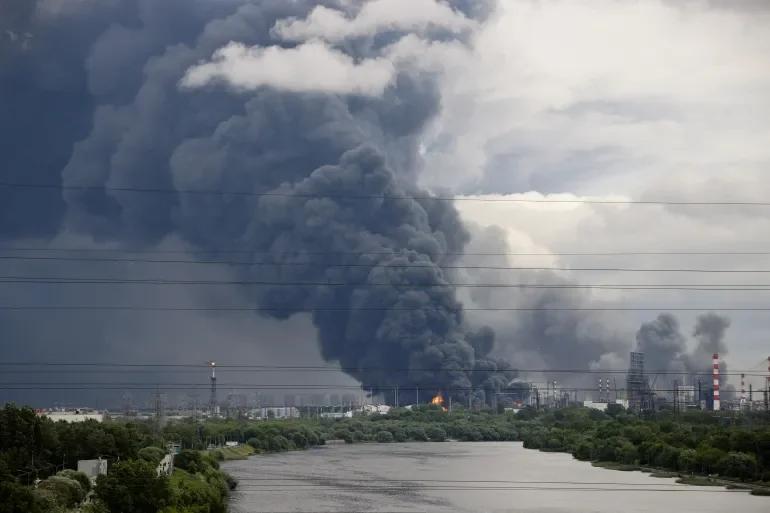
Russia has launched another overnight attack on Ukraine's southern Odesa region, targeting port infrastructure in and around Izmail, according to Ukrainian authorities.
The attack comes amid an intensifying campaign against Ukrainian transport and port infrastructure, with both Russia and Ukraine increasingly targeting facilities that support the movement of goods and military supplies.
Ukrainian officials said fires caused by the latest attack were brought under control. Details about casualties from the latest strike remained limited in the initial reports.
Why Izmail Is Strategically Important
Izmail is one of Ukraine's most important ports on the Danube River.
The port has become increasingly significant since Russia's invasion disrupted traditional Black Sea shipping routes. Danube ports provide Ukraine with an alternative route for exporting agricultural products and other goods to European markets.
That has made the area an increasingly important part of Ukraine's wartime logistics and export network.
Pressure on Ukraine's Export Infrastructure
Repeated attacks on port facilities can disrupt more than shipping operations.
Damage to terminals, storage facilities, power systems and transport links can slow the movement of goods even when the ports themselves remain operational.
For Ukraine, maintaining export routes is particularly important because agriculture and commodity exports are major sources of foreign revenue.
Odesa Region Remains a Major Trade Hub
The wider Odesa region is central to Ukraine's maritime trade.
Ports around Odesa handle agricultural commodities and other goods destined for international markets. Despite repeated Russian attacks, Ukraine has continued efforts to keep its maritime export network functioning.
However, air-raid alerts, infrastructure damage and security risks can make commercial shipping more difficult and expensive.
Grain Exports Face Fresh Concerns
Ukraine is one of the world's major agricultural exporters, making the security of its ports important beyond the immediate conflict.
Following the disruption of Black Sea shipping, Danube ports such as Izmail gained greater importance as alternative export routes.
Any prolonged reduction in port capacity could therefore affect Ukraine's ability to move grain and other agricultural products to international markets.
Ukraine Steps Up Strikes Inside Russia
The latest Russian attack comes as Ukraine has also intensified long-range drone strikes against targets inside Russia.
Ukrainian forces have recently targeted industrial, energy and logistics infrastructure in several Russian regions. Russia has responded with large-scale drone and missile attacks across Ukraine.
The escalating cycle has increasingly extended beyond the immediate frontline.
Black Sea Security Is Deteriorating
The growing number of attacks on ports and maritime infrastructure is adding another layer of risk to the Black Sea region.
Beyond military consequences, strikes can affect commercial shipping, insurance costs, cargo movements and the willingness of international companies to operate in the region.
That makes the security of Ukrainian ports an issue with wider implications for international trade.
Economic Impact of the War Is Expanding
The Russia-Ukraine conflict has increasingly become a battle not only over territory but also over infrastructure and economic capacity.
Targeting ports, energy facilities and transportation networks can weaken an opponent's ability to sustain military operations and generate revenue.
For Ukraine, repeated damage to export infrastructure could create additional pressure on an economy already operating under wartime conditions.
What Happens Next?
The ability of Ukraine to keep Izmail and other Odesa-region ports operational will be closely watched.
If attacks continue, the country could face greater difficulties in maintaining export volumes, particularly during the agricultural harvest season.
At the same time, continued Ukrainian strikes against Russian infrastructure raise the possibility of further retaliatory attacks, keeping the Black Sea region at the centre of the wider escalation.