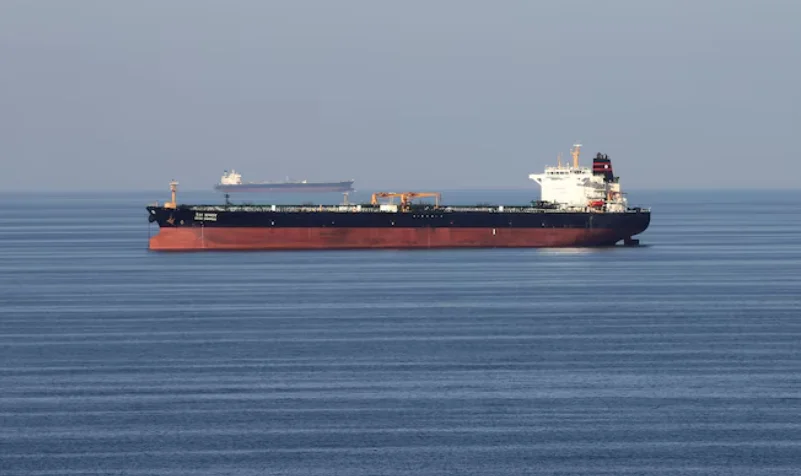
Iran has escalated its pressure on commercial shipping in the Strait of Hormuz, warning that 45 tankers accused of violating its transit rules could face fines, detention and confiscation of their cargoes.
The warning was issued by the newly established Persian Gulf Strait Authority, which said the blacklisted vessels had breached Iran’s arrangements for passing through the strategic waterway.
45 Tankers Blacklisted
The vessels on the list include crude oil, gas and petroleum-product tankers operated by companies from several countries. Firms linked to some of the vessels include UAE-based ADNOC L&S, Saudi Arabia’s Bahri and South Korea’s Sinokor.
Iran has also warned companies involved in ship-to-ship transfers with the blacklisted vessels that they could face penalties.
What Action Could Iran Take?
According to the warning, the affected vessels could face:
Financial penalties
Detention
Cargo confiscation
Action against vessels involved in transferring their cargo
Iran has said ships can seek removal from the blacklist by submitting evidence to the country’s maritime authorities.
Hormuz Tensions Escalate
The latest move comes amid growing tensions between Iran and the United States. Washington has threatened tougher economic sanctions against Iran and entities involved in supporting its economy.
At the same time, shipping activity through the Strait of Hormuz has fallen sharply. Fewer than 20 commodity vessels crossed the waterway over the weekend, according to ship-tracking data cited by Reuters.
Why Is Hormuz So Important?
The Strait of Hormuz is one of the world’s most important energy chokepoints. A significant share of global oil and gas exports passes through the narrow waterway.
Any prolonged disruption could affect global crude prices, shipping costs and energy supplies, making the latest Iranian warnings a major concern for international markets.