



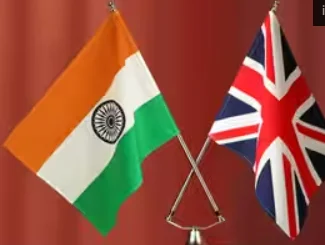
Indian nationals have topped the latest UK immigration statistics for both settlement and British citizenship grants, according to new Home Office data released on August 27, 2026.
The figures come ahead of proposed changes to Britain's settlement system that could make the path to permanent residency considerably longer for many migrants.
Indians Lead UK Settlement Grants
In the year ending June 2026, 35,384 Indian nationals were granted settlement, also known as Indefinite Leave to Remain (ILR).
The figure was 51% higher than the previous year, making Indians the largest nationality group receiving settlement in the UK. The increase largely reflects Indian workers who entered Britain through employment routes in earlier years and have now completed the required period of continuous residence.
Overall, the UK issued around 200,000 settlement grants in the year ending June 2026, a 24% increase from the previous year.
Indians Also Top British Citizenship Grants
Indian nationals also ranked first in British citizenship grants.
Between 2025 and 2026, 24,851 Indians were granted British citizenship, followed by 18,489 Pakistani nationals. Most grants were through the naturalisation process.
Settlement Rules Could Become Tougher
Currently, eligible migrants on many UK visa routes can generally qualify for settlement after five years of continuous residence.
However, proposed reforms would increase the standard qualifying period to 10 years for many migrants. Some lower-paid workers could face a 15-year wait, while people receiving certain taxpayer-funded benefits could face even longer settlement periods.
The government is expected to announce further details in the coming months.
Around 1.6 Million Migrants Could Be Affected
The proposed changes could affect an estimated 1.6 million migrants already living in the UK who are expected to become eligible for ILR between 2026 and 2030.
The government has indicated that transitional arrangements could apply to people who are close to completing their existing five-year settlement period.
Indian Visitor and Graduate Visas Also Remain High
Despite the tightening of immigration rules, Indians continued to receive the highest number of UK visitor visas.
In the year ending June 2026, Indian nationals received 514,398 visitor visas, although this was 9% lower than the previous year.
Indians also received 64,495 Graduate route extensions, the highest among nationalities, although this number declined compared with the previous year.
Indian Student Visas Decline
Indian student visa grants also fell during the period.
The UK granted 82,523 student visas to Indian nationals in the year ending June 2026, down 16% from the previous year. Chinese nationals moved ahead of Indians, with 86,368 student visa grants.
What This Means for Indians in the UK
The latest figures highlight the growing presence of Indian professionals and students in Britain. However, proposed settlement reforms could make long-term residency planning more complicated for future migrants.
People already approaching the five-year qualifying period will be watching closely for details of the government's transitional arrangements.