



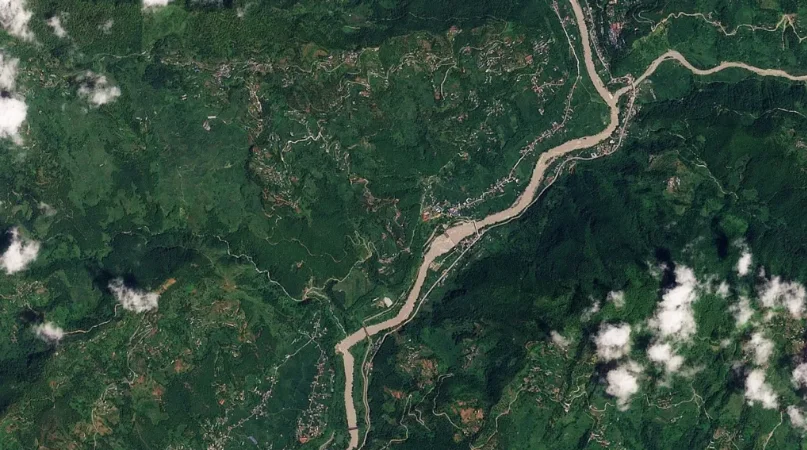
The Kailash Mansarovar Yatra is considered one of the world's most challenging spiritual journeys. Recent flash floods in Nepal have once again highlighted the risks faced by pilgrims travelling through the Himalayan region.
Even under normal conditions, the pilgrimage requires considerable physical and mental endurance. High altitude, reduced oxygen, extreme cold, difficult terrain and rapidly changing weather can make the journey extremely demanding.
A 52-Km Circumambulation
The circumambulation, or parikrama, around Mount Kailash covers roughly 52-53 km. The route includes rocky paths, steep climbs and challenging mountain terrain.
One of the most difficult sections is the Dolma La Pass, located at an altitude of around 5,630 metres above sea level.
Why Does Oxygen Become a Problem?
As altitude increases, atmospheric pressure falls, reducing the amount of oxygen available to the body.
At extremely high elevations such as Dolma La, pilgrims can experience headaches, dizziness, nausea, breathlessness and severe fatigue. Proper acclimatisation and adequate rest are therefore crucial.
Travelling Above 4,500 Metres
Several sections of the Kailash route are located at more than 4,500 metres above sea level.
At such elevations, even ordinary walking can require considerably more effort than it would at lower altitudes. Gradually gaining altitude and allowing the body to adjust can help reduce altitude-related problems.
Unpredictable Himalayan Weather
Weather conditions in the Himalayas can change rapidly. Snow, rain, strong winds and sudden temperature drops can make the journey even more difficult.
Landslides, flash floods and other natural disasters can also damage roads and bridges, leaving pilgrims stranded along the route.
Why Is the Nepal Route Popular?
India has official routes to Kailash Mansarovar through Lipulekh Pass and Nathu La Pass, but these routes have limited capacity.
As a result, some pilgrims choose routes through Nepal, including the Rasuwagadhi border crossing, often through private tour operators.
Recent Nepal Floods Highlight Risks
The recent flash floods in Nepal's Rasuwa district severely damaged infrastructure along an important route towards the Kailash region.
Roads and bridges were damaged, leaving travellers stranded and highlighting the vulnerability of Himalayan pilgrimage routes to extreme weather and natural disasters.
A Test of Faith and Endurance
Mount Kailash is sacred to Hindus, Buddhists, Jains and followers of the Bon tradition. The circumambulation around the mountain holds deep spiritual significance for devotees.
However, completing the pilgrimage requires more than faith. Physical preparation, acclimatisation, awareness of altitude-related risks and preparedness for unpredictable weather are equally important.