


Supreme Court Orders Restoration of AAP Gujarat Accounts
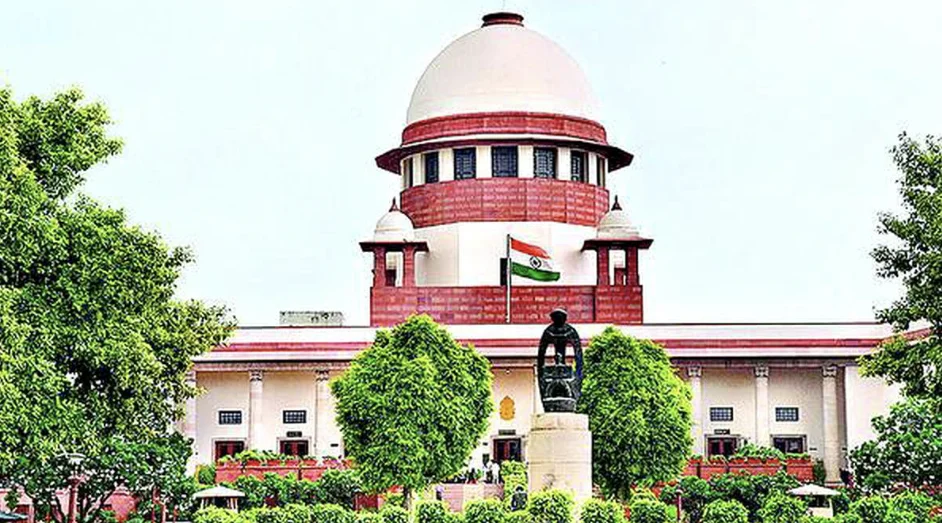
The Supreme Court has issued an important order concerning the social media presence of the Gujarat unit of the Aam Aadmi Party, directing the restoration of its Facebook and Instagram accounts.
The order assumes significance at a time when political parties increasingly depend on social media to communicate directly with voters and supporters.
Social Media Has Become a Key Political Tool
Political parties now use social media for much more than election campaigns.
Official accounts are used to announce programmes, respond to allegations, communicate policy positions, mobilise supporters and address public issues.
Restricting an official account can therefore significantly affect a party's ability to communicate with the public.
Legal Questions Around Account Blocking
Government authorities have powers under Indian law to restrict access to certain online content in specified circumstances.
However, such restrictions are expected to follow the applicable legal framework and procedural requirements.
A key question in cases involving social media accounts is whether action should be limited to specific content or extended to the entire account.
Earlier Legal Disputes Over Online Blocking
India has seen several legal disputes involving government directions to block social media accounts, posts and URLs.
Section 69A of the Information Technology Act provides a legal framework under which the government can restrict access to certain online content on specified grounds.
Past legal discussions have also examined procedural safeguards, including the need for written reasons and opportunities for affected parties to challenge restrictions in appropriate circumstances.
Specific Content Versus an Entire Account
One of the central issues in social media regulation is proportionality.
If a particular post is alleged to violate the law, blocking an entire account can potentially restrict access to other lawful content as well.
This raises questions about whether a broader restriction is necessary and whether a narrower measure could address the alleged violation.
Digital Freedom for Political Parties
Social media has become an important channel for political communication.
Parties use platforms to present their positions, criticise opponents, respond to public issues and engage directly with citizens.
The suspension of an official account can therefore have consequences beyond the removal of individual posts.
Connection With Freedom of Expression
Restrictions on political social media accounts can also raise questions concerning freedom of expression.
The right to free speech is subject to legally permitted restrictions, including those related to public order and other constitutional considerations.
At the same time, restrictions must operate within the framework of law and should be appropriately connected to the objective being pursued.
Importance of Due Process
Procedural safeguards can be particularly important when a government action affects an organisation's ability to communicate with the public.
Questions such as whether adequate notice was provided, whether reasons were given and whether the affected party had an opportunity to respond can become significant in legal challenges.
Earlier litigation concerning online blocking has also raised questions about the requirement to provide affected content creators with an opportunity to be heard.
Role of Social Media Platforms
Social media companies also have responsibilities under Indian law.
Platforms are required to respond to lawful orders and comply with applicable regulations concerning illegal content and other violations.
At the same time, account-level restrictions can have a broad impact, making transparency and clear procedures important.
Impact on Digital Political Campaigning
The Supreme Court's order could contribute to a wider discussion about the role of social media in political communication.
Official party accounts have become major channels for distributing information and reaching supporters.
Any restrictions imposed on such accounts can therefore have a direct impact on a party's digital outreach.
Balancing Regulation and Online Speech
The broader challenge is finding a balance between preventing unlawful online activity and protecting legitimate political communication.
Governments need mechanisms to address unlawful content, while political organisations and citizens need space to express opinions and participate in public debate.
A proportionate and transparent approach is therefore important when restrictions are imposed.
What the Order Highlights
The restoration of the AAP Gujarat accounts highlights the importance of examining the legal basis and procedure behind restrictions on digital platforms.
It also reinforces the broader debate over how governments, political organisations and social media companies should balance regulation with digital communication rights.
Conclusion
The Supreme Court's direction to restore the AAP Gujarat Facebook and Instagram accounts brings renewed attention to the intersection of social media regulation, political communication and freedom of expression.
As political activity increasingly moves online, questions surrounding account blocking, due process and proportionality are likely to remain important.
The case underlines the need for restrictions on digital platforms to be based on clear legal authority, appropriate procedures and measures proportionate to the issue involved.