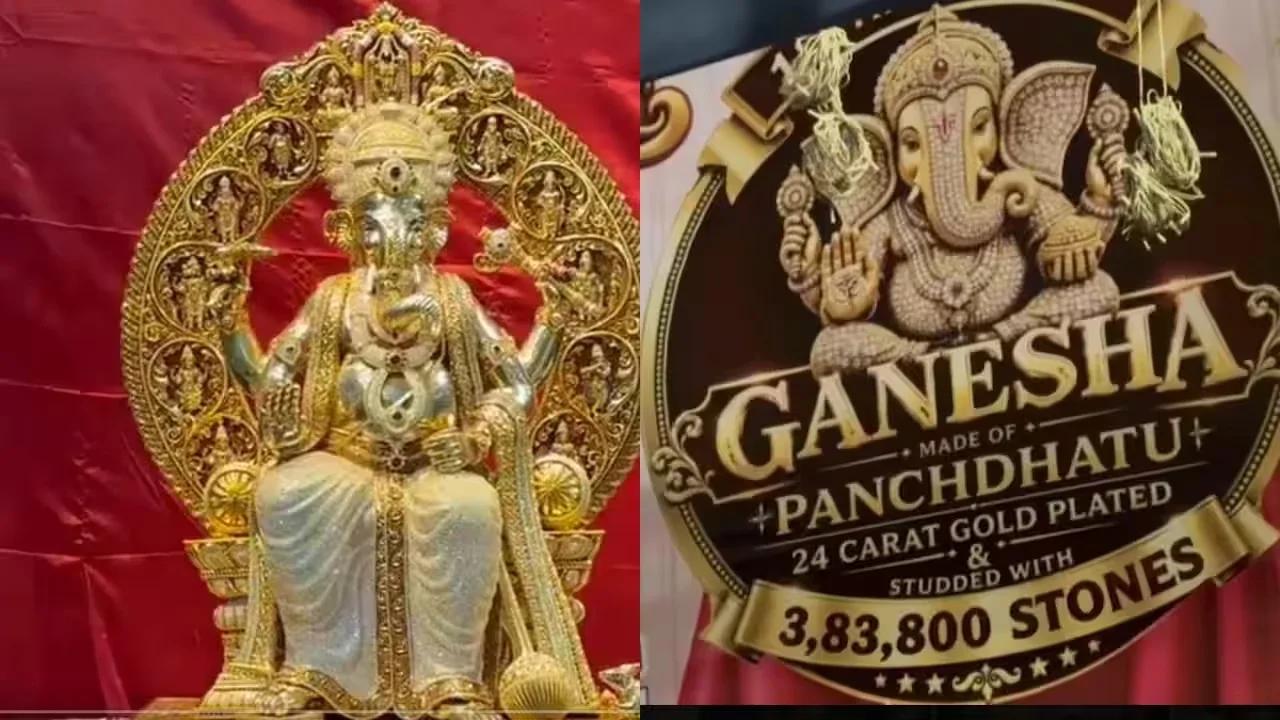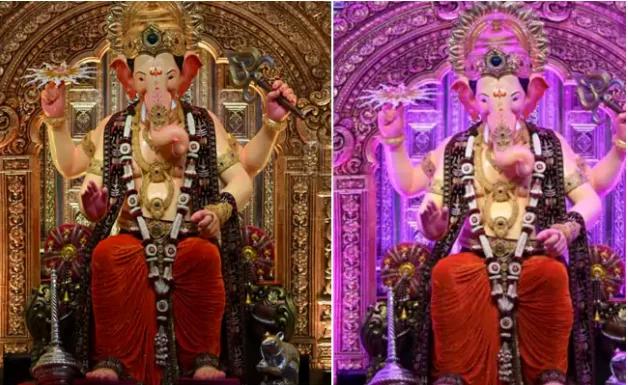



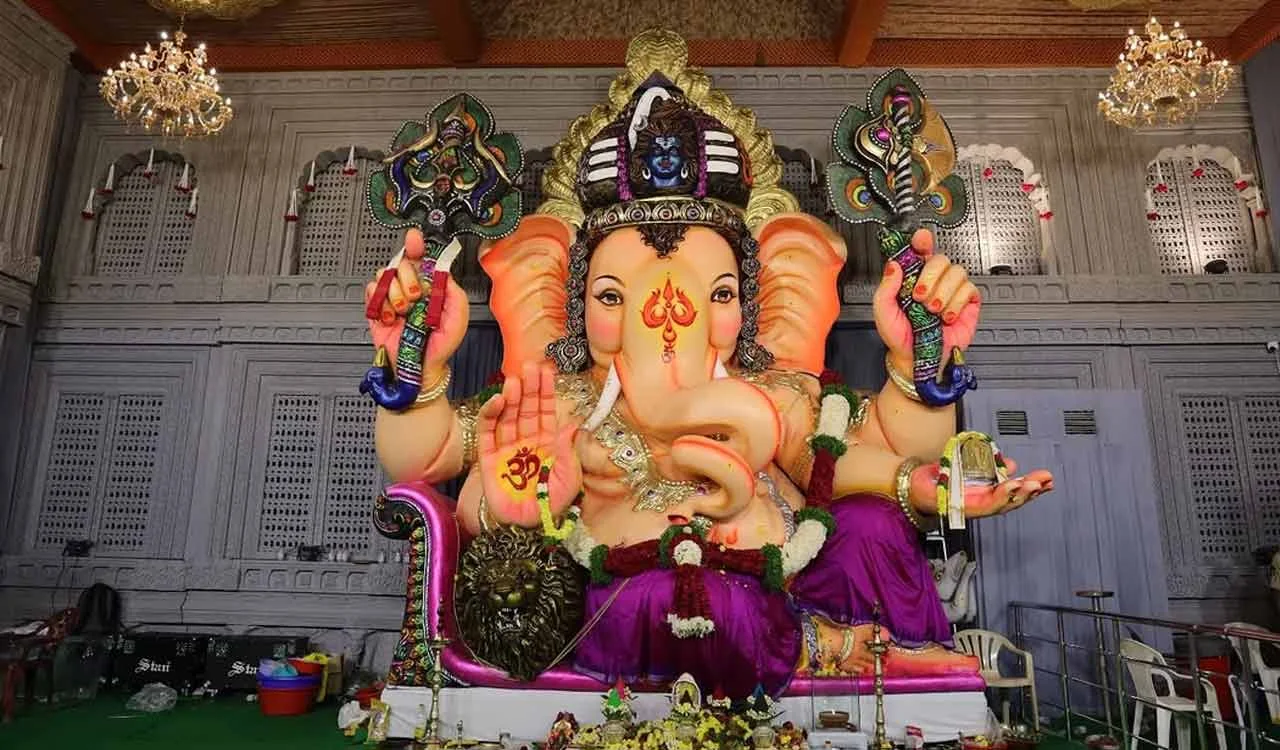
Whenever Ganesh Chaturthi arrives, streets across India come alive with massive Ganesha idols, beautifully decorated pandals, devotional songs and grand celebrations.
But have you ever wondered — why do people install such huge Ganesha idols on streets instead of worshipping only at home?
The tradition is not just about devotion. It has a deep historical, social and spiritual significance.
The Historical Connection to the Freedom Movement
The story takes us back to the period of British rule in India.At a time when public political gatherings faced restrictions, freedom fighter Lokmanya Bal Gangadhar Tilak transformed Ganesh celebrations into a powerful platform for bringing people together.
In 1893, collective Ganesh celebrations gained a new public dimension in Maharashtra. A festival that was largely observed within homes gradually moved into streets and public pandals.Since Lord Ganesha was worshipped across communities, these celebrations provided an opportunity for people from different social backgrounds to come together.What looked like a religious celebration also became a platform for unity and nationalist spirit.
Breaking Social and Caste Barriers
During those days, caste divisions were deeply rooted in society, and access to religious spaces was not always equal.Public Ganesh pandals created a common space where people from different castes and economic backgrounds could participate together.One idol. One pandal. One celebration.The collective worship helped strengthen the idea of social harmony and unity.
More Than Just Worship
Over the years, Ganesh celebrations became much bigger than religious rituals.Streets and pandals turned into community spaces for bhajans, cultural programmes, music, food distribution and social activities.Massive idols, elaborate decorations and vibrant celebrations added to the festive atmosphere, bringing entire neighbourhoods together.
That’s Why There’s a Ganesha at Home — and Another on the Street!
Even today, many families install a small Ganesha idol at home while neighbourhoods and apartment communities come together to install a larger idol in a public pandal.So, the huge Ganesha idol on the street is not merely a grand decoration.It represents devotion, community spirit, social unity and a tradition shaped by history.Times have changed. Celebrations have become grander.
But the message remains the same:When people come together in the name of Ganesha, a festival becomes a celebration of unity.