As tensions between Iran and the United States continue to deepen, attention is turning to whether Pakistan could play a role in getting Tehran back to the negotiating table.
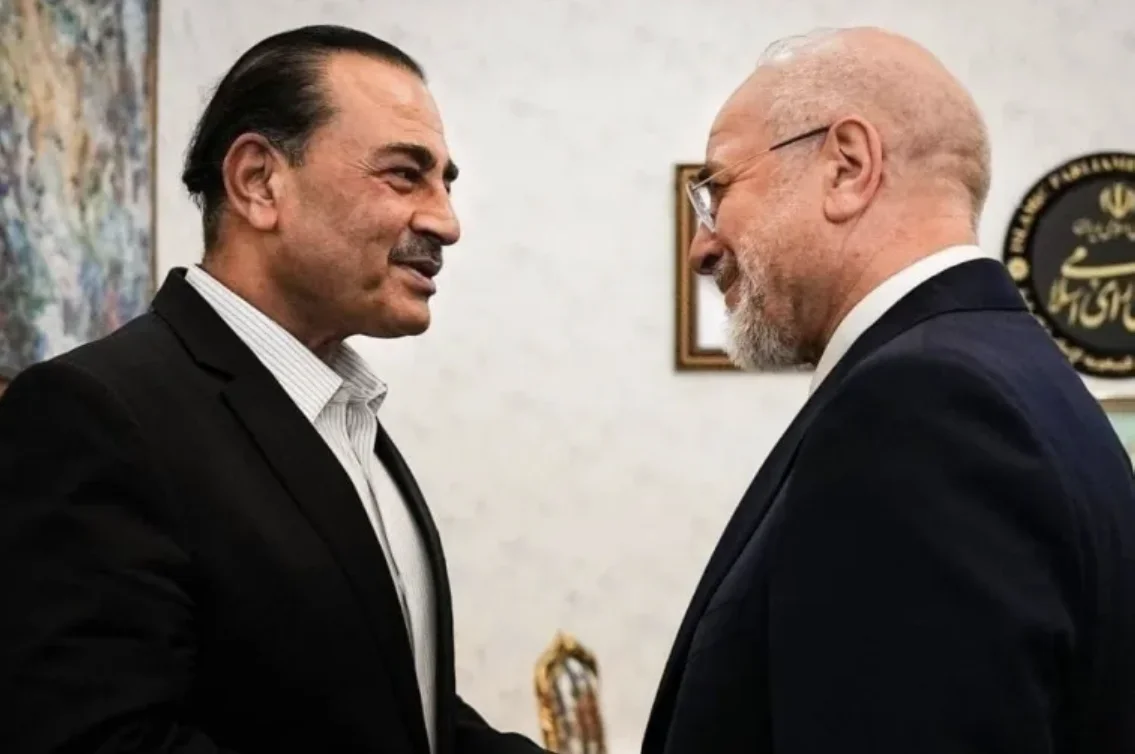
At the centre of that possibility is Pakistan's army chief, Field Marshal Asim Munir, whose position gives him considerable influence over the country's security and foreign-policy establishment.
Pakistan's geographical proximity to Iran and its long-standing political and security ties with Tehran give Islamabad a channel that some other countries do not have. At the same time, Pakistan maintains important relations with Washington, putting it in a potentially useful position if diplomatic efforts begin to gather momentum.
The challenge, however, is substantial. Iran's military and political leadership has strong reasons to be cautious about renewed negotiations with the United States. Years of sanctions, disputes over Iran's nuclear programme and disagreements over security guarantees have left deep mistrust between the two sides.
Any attempt to reopen talks would therefore require more than a diplomatic message from a neighbouring country. Tehran would likely want assurances about sanctions, security and the credibility of any commitments made by Washington.
Pakistan could nevertheless provide a useful channel for communication. Islamabad has previously sought to maintain relations with both Tehran and Washington, and its position could allow it to pass messages between the two sides without formally becoming a mediator.
Munir's role is particularly significant because Pakistan's military has traditionally had considerable influence over the country's strategic and security policies. His involvement could therefore carry more weight in Tehran than a purely political initiative from Islamabad.
But there are limits to what Pakistan can achieve. Decisions by Iran's military leadership will ultimately be shaped by its own assessment of national security, regional threats and relations with the United States and Israel.
The stakes are also high for Pakistan itself. Any further escalation involving Iran could have direct consequences for Pakistan because of their shared border. Islamabad would have to contend with possible effects on border security, trade, energy supplies and regional stability.
That gives Pakistan a strong incentive to encourage de-escalation. A return to negotiations, even if it does not immediately produce an agreement, could reduce the risk of a wider regional conflict.
For Islamabad, successful diplomacy could also strengthen its position as a regional player. Helping create a channel for dialogue between Iran and the United States would give Pakistan greater diplomatic relevance at a time when the Middle East is facing another period of heightened tension.
Whether Munir can persuade Iran's military leadership to reconsider negotiations will ultimately depend on Tehran's willingness to engage. For now, the possibility of a Pakistani diplomatic role reflects the growing need for channels that can keep communication open between the parties.