


China has warned that it will take steps to protect its own interests after the United States expanded its sanctions campaign against Iran.
Beijing strongly objected to Washington's use of unilateral sanctions and said its normal economic and trade cooperation with Tehran should not be disrupted by measures imposed by another country.
The US has recently added nearly 60 individuals, companies and commercial networks connected to Iran to its sanctions list. Washington says the targets are involved in areas including Iranian oil revenues, weapons procurement, sensitive technology and cyber activities.
Some of the newly targeted networks have links to China and Hong Kong, prompting a strong response from Beijing.
Chinese Foreign Ministry spokesperson Lin Jian said China opposes unilateral sanctions and would take necessary measures to safeguard its legitimate rights and interests. He also stressed that China's economic cooperation with Iran is conducted within the framework of international law.
China's position is significant because it remains one of Iran's most important economic partners. Chinese companies are major buyers of Iranian crude, making China an important outlet for Iran's oil exports despite the extensive US sanctions regime.
The growing American pressure could therefore create complications for Chinese companies involved in trade with Iran. Washington has been trying to identify financial channels, shipping networks and intermediaries that it believes are being used to bypass sanctions.
For Beijing, the issue goes beyond oil. China and Iran maintain commercial links across several areas, including energy, infrastructure and broader trade. Any expansion of US sanctions could therefore create additional risks for Chinese businesses operating in those sectors.
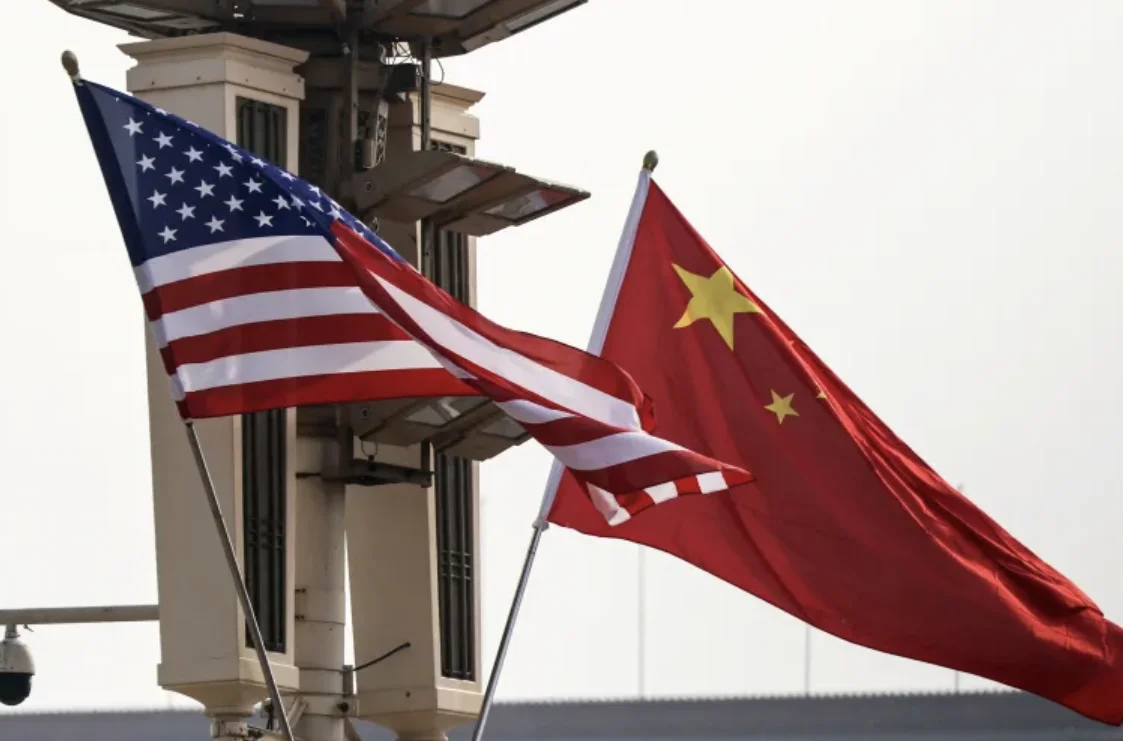
The dispute also adds another point of tension to the already complicated US-China relationship.
Washington and Beijing are dealing with disagreements over trade, technology and security, while the two countries also have sharply different positions on several international issues. The Iran sanctions now provide another area where their interests are directly colliding.
China, however, appears to be seeking to protect its interests without turning the issue into a direct confrontation with Washington. Maintaining legitimate trade with Iran while managing the risks created by US sanctions will be an important challenge for Chinese companies.
For the United States, the objective is to increase pressure on Tehran by restricting the financial and commercial networks that provide Iran with revenue. But the effectiveness of that strategy depends partly on how countries such as China respond.
China's continued economic relationship with Iran could limit the impact of Washington's campaign, particularly in the oil sector. At the same time, any attempt by the US to impose wider secondary sanctions on Chinese companies could significantly raise tensions between Washington and Beijing.
The latest dispute therefore has implications well beyond Iran. It could influence global oil flows, international trade and the already strained relationship between the world's two largest economies.