


The United States has expanded its economic pressure campaign against Iran, imposing sanctions on nearly 60 individuals and entities accused of supporting Tehran's oil revenues, weapons procurement and cyber operations.
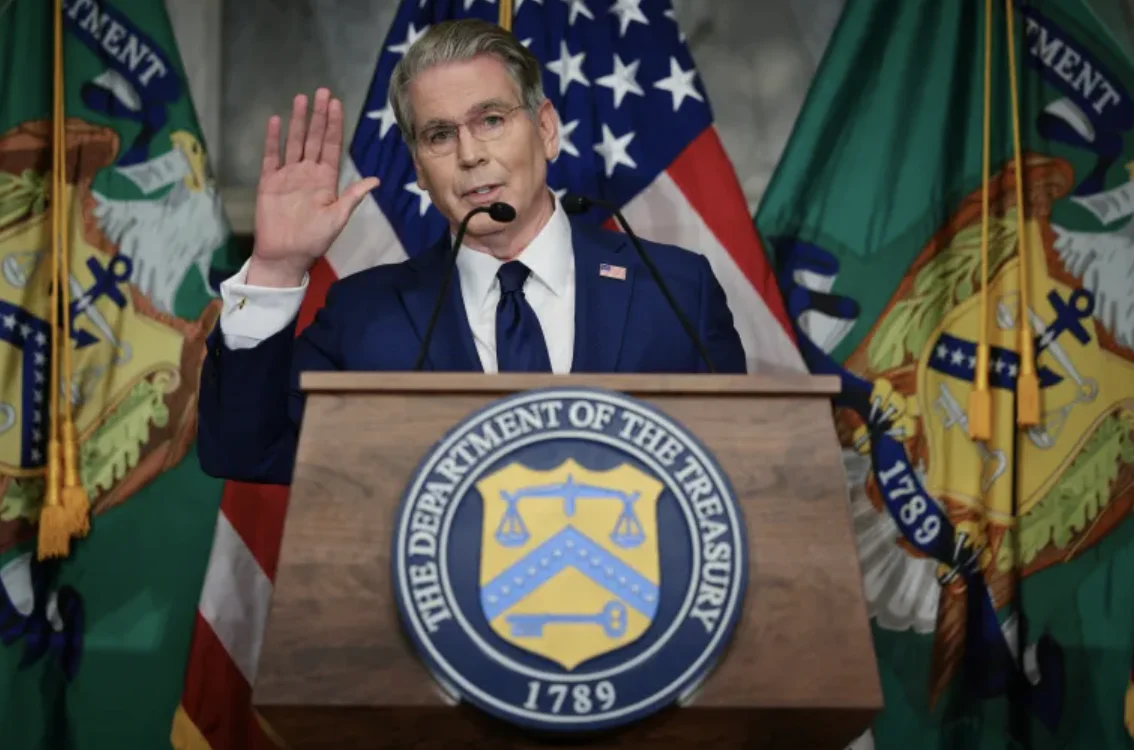
US Treasury Secretary Scott Bessent announced the measures as Washington seeks to restrict the financial and commercial networks that continue to support Iran's economy. The latest action is part of a wider campaign aimed at cutting Iran off from international economic channels.
The new sanctions reach well beyond Iran itself. Companies and individuals in China and Hong Kong, Singapore, Switzerland, the United Arab Emirates, Malaysia, the United Kingdom, France, Syria, Ukraine, Greece and the Marshall Islands have also been targeted.
In Iran, the measures include organisations connected to the country's intelligence and defence establishments. Washington has accused some logistics companies of helping move shipments to organisations associated with Iran's defence structure. Several individuals have also been sanctioned over alleged involvement in cyber activities.
A significant part of the sanctions package focuses on procurement networks. US officials say a network involving more than 20 people and entities across the Middle East and East Asia helped Iran obtain sensitive dual-use technology that could be used for nuclear research and ballistic missile development.
Several Hong Kong-based companies were accused of acting as intermediaries for equipment destined for Iranian institutions. US authorities also targeted companies in China that allegedly provided procurement, logistics and shipping services connected to Iranian nuclear, missile and oil networks.
Iran's oil trade is another major focus. Washington has sanctioned shipping companies and intermediaries that it says helped move Iranian crude and petroleum products. Some of the targeted networks allegedly used vessels, financial channels and intermediaries to avoid existing sanctions.
The US is also targeting what it describes as Iran's shadow banking and shadow fleet networks. These systems are viewed by Washington as important tools for moving money and oil while attempting to bypass restrictions.
One notable feature of the latest measures is what Washington has not targeted. Chinese financial institutions suspected of facilitating Iranian oil transactions were not among the most prominent additions to the sanctions list.
That could reflect the importance of China's relationship with Iran. China has remained a major buyer of Iranian oil, and a direct confrontation with Chinese financial institutions could create wider economic and diplomatic consequences for Washington.
Iran has rejected the new sanctions. Economy Minister Ali Madanizadeh said Tehran was already accustomed to American sanctions and had developed mechanisms to deal with them. He argued that Washington would not achieve its objectives simply by attempting to cut off Iran's economic channels.
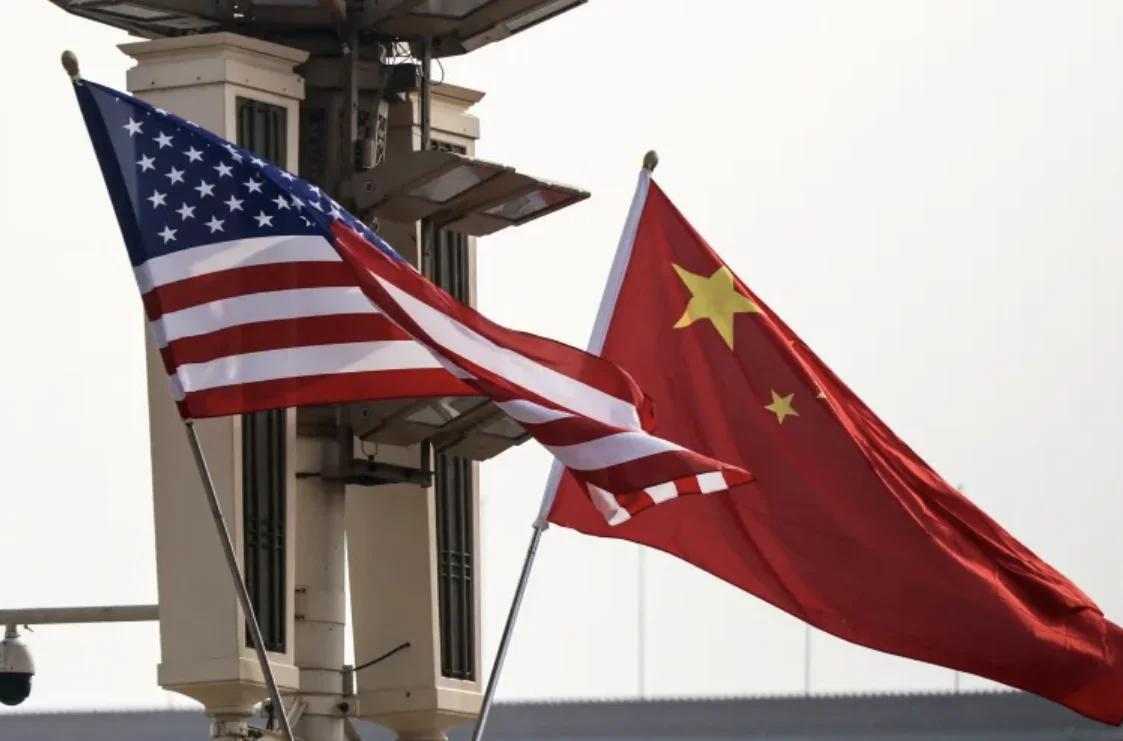
China has also criticised the measures. Beijing said its cooperation with Iran is conducted within international law and should not be disrupted by unilateral US sanctions. Chinese officials said they would take the necessary steps to protect the country's rights and interests.
The latest action adds to decades of US sanctions against Iran. Washington imposed extensive restrictions following the 1979 Iranian Revolution, while later measures focused heavily on the country's nuclear and missile programmes.
The 2015 nuclear agreement temporarily eased some of those restrictions, but President Donald Trump withdrew the US from the deal in 2018 and revived a campaign of “maximum pressure”. Sanctions on Iranian oil, shipping and financial networks were subsequently strengthened.
The new sanctions could put additional strain on Iran's economy, but their effectiveness will depend partly on Tehran's ability to continue using alternative financial and trading channels. China's role as a major buyer of Iranian oil will also remain important.
For Washington, the latest measures represent another attempt to make Iran's international economic activity increasingly difficult. For Tehran and its partners, the challenge will be finding ways to maintain trade and financial links while navigating the expanding US sanctions regime.