


The Trump administration is preparing another major change to US immigration enforcement, this time targeting B-1 and B-2 visa holders who have sought asylum after entering the country.
The State Department plans to revoke certain business and tourist visas issued between 2016 and 2026 to people who have previously filed for asylum or are currently seeking asylum in the United States. If implemented on the scale being discussed, the measure could become one of the largest mass visa cancellations in US history.
B-1 visas are generally issued for business travel, while B-2 visas cover tourism and other temporary visits. Applicants are normally expected to demonstrate that their trip is temporary and that they intend to return home.
The administration says the new policy is aimed at people who entered the US as short-term visitors but later filed asylum claims in an attempt to remain in the country.
State Department spokesman Tommy Pigott said the measure was designed to address people who presented themselves as temporary visitors before seeking a permanent stay through the asylum system. The department has not released a final figure for the number of visas that will be cancelled. However, US officials and State Department documents cited by the Associated Press indicate that up to 200,000 people could potentially be affected.
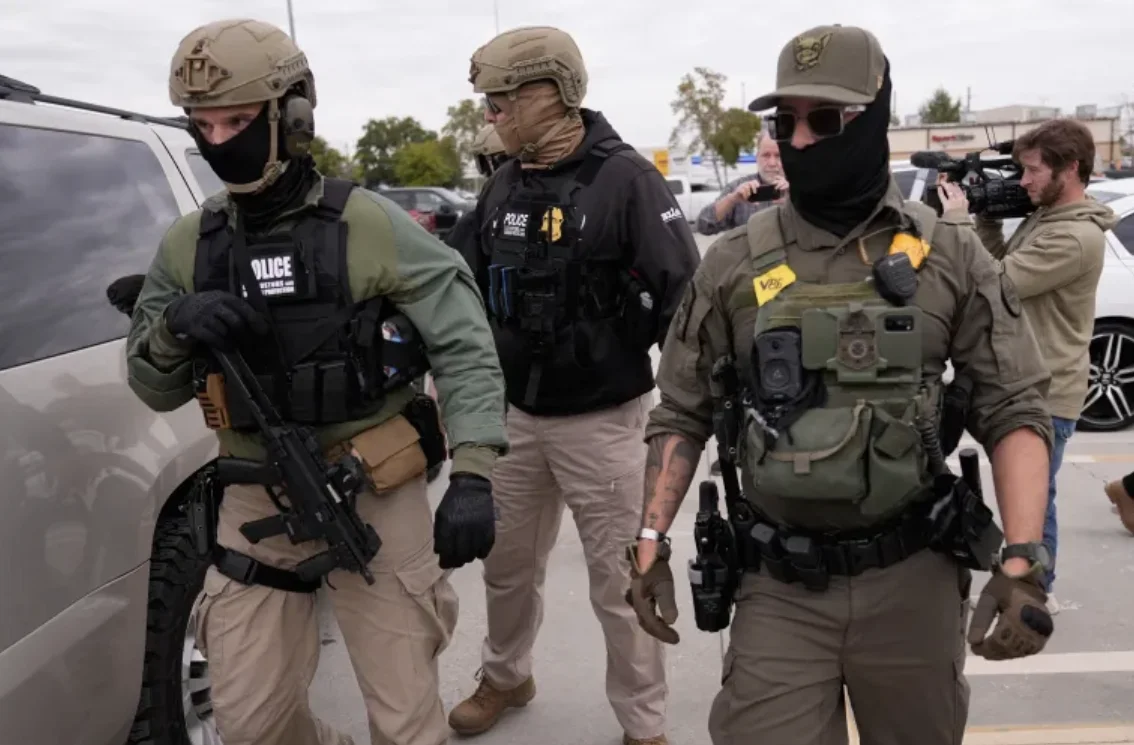
The proposal is part of a much broader immigration crackdown under President Donald Trump. His administration has increased efforts to revoke visas and green cards, expand deportations and carry out immigration enforcement operations.
Earlier this month, the State Department cancelled more than 175,000 visas belonging to foreign nationals, citing reasons including alleged criminal activity, visa violations, fraud, calls for violence and national security concerns. The administration has also attempted to restrict new visa applications from citizens of 75 countries, although a federal judge later blocked that policy.
Why target B-1 and B-2 visa holders?
The administration's argument centres on the purpose of temporary visas.
People applying for B-1 or B-2 visas are expected to show that they plan to visit the US temporarily and return to their home countries. They are also asked about their intention to seek asylum.
Some visitors nevertheless file asylum claims after entering the country. The Trump administration argues that this can amount to using a temporary visa for a purpose it was not designed to serve.
Deputy Secretary of State Christopher Landau has criticised the practice, arguing that asylum should not be used as a way to bypass immigration rules.
But cancelling a visa does not automatically mean that an asylum applicant must immediately leave the United States.
Migration and asylum policy researcher Rut Bermejo Casado explained that people who entered the US legally on B-1 or B-2 visas and subsequently applied for asylum may derive their current legal position from their pending asylum case rather than from the original visa.
As a result, losing the temporary visa would not necessarily make them immediately removable. Their asylum application could generally continue through the adjudication process.
The situation becomes more serious if an asylum claim is eventually rejected. In that case, the individual may no longer have the original non-immigrant status to rely on, potentially leaving them vulnerable to removal proceedings.
The policy could also create a legal battle over whether visa holders are being penalised for exercising rights available under US asylum law. Courts could be asked to examine whether the government followed appropriate administrative and due-process requirements.
Could the policy discourage future asylum claims?
One of the biggest effects may not be immediate deportation but deterrence.
People who enter the US on business or tourist visas and later consider seeking asylum may now think twice about filing a claim if doing so could result in their temporary visa being cancelled.
Experts say the administration's approach could therefore have a wider psychological and political effect, signalling that post-entry asylum applications may be viewed as inconsistent with the original purpose of a temporary visa.
There is also a practical challenge for the government. Identifying everyone covered by the proposed policy would require information from the State Department, Department of Homeland Security and immigration courts to be matched against one another.
What about Indian nationals?
The US government has not published a detailed breakdown showing which nationalities would be most affected by the planned cancellations.
Recent asylum data show that successful applicants have included people from Venezuela, El Salvador, Guatemala and Honduras, as well as China, Russia, Türkiye and Egypt. At the same time, asylum applications from several countries, including India, Haiti, Cuba and Mexico, have recorded high rejection rates in immigration court data.
Those figures do not reveal how many people from each country entered the US on B-1 or B-2 visas before filing asylum claims. As a result, it is not yet possible to determine the exact impact of the proposed policy on Indian nationals.
The proposed visa cancellations nevertheless mark another significant expansion of the Trump administration's immigration enforcement strategy. Beyond the people directly affected, the policy could influence how future visitors view the risks of entering the US on temporary visas and subsequently seeking asylum.
Whether the plan survives legal challenges and how broadly it is ultimately implemented will determine its real impact.