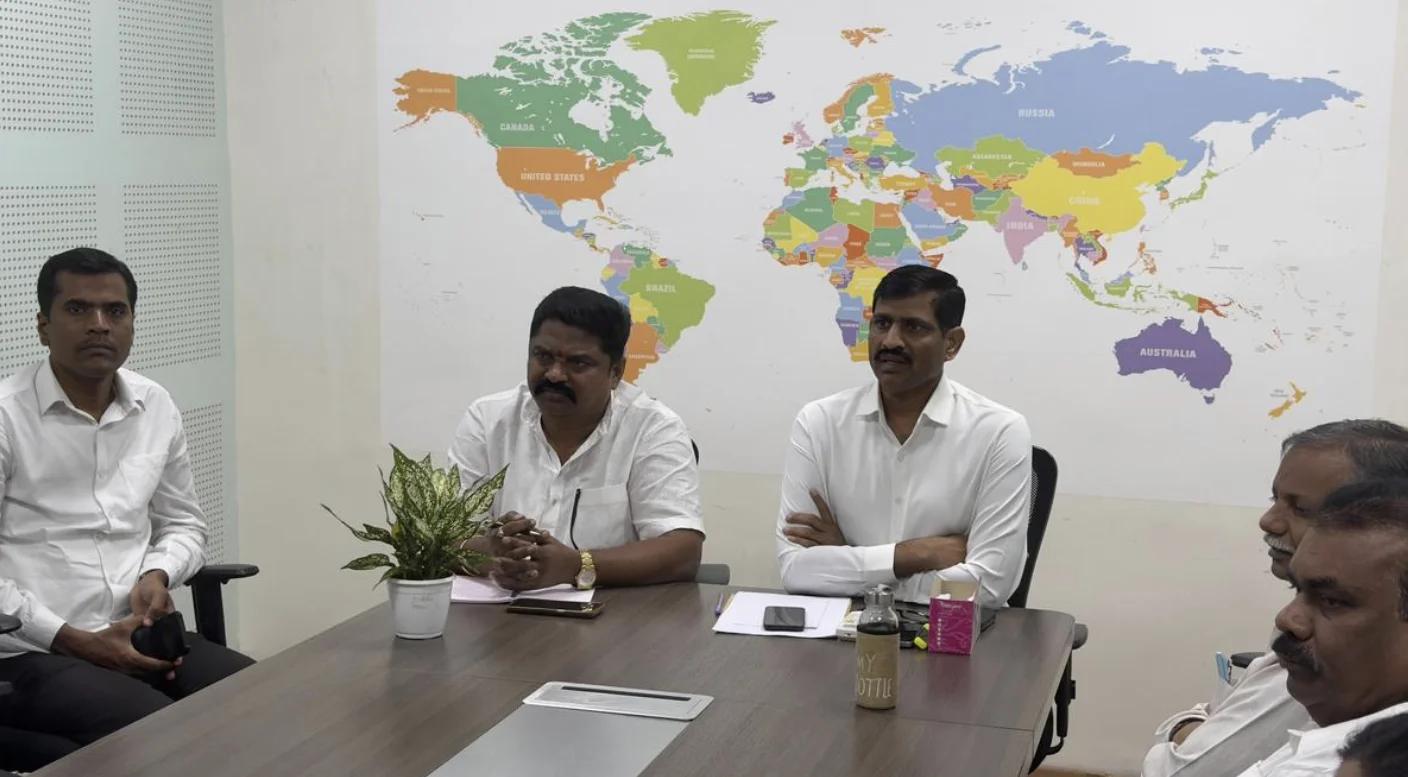



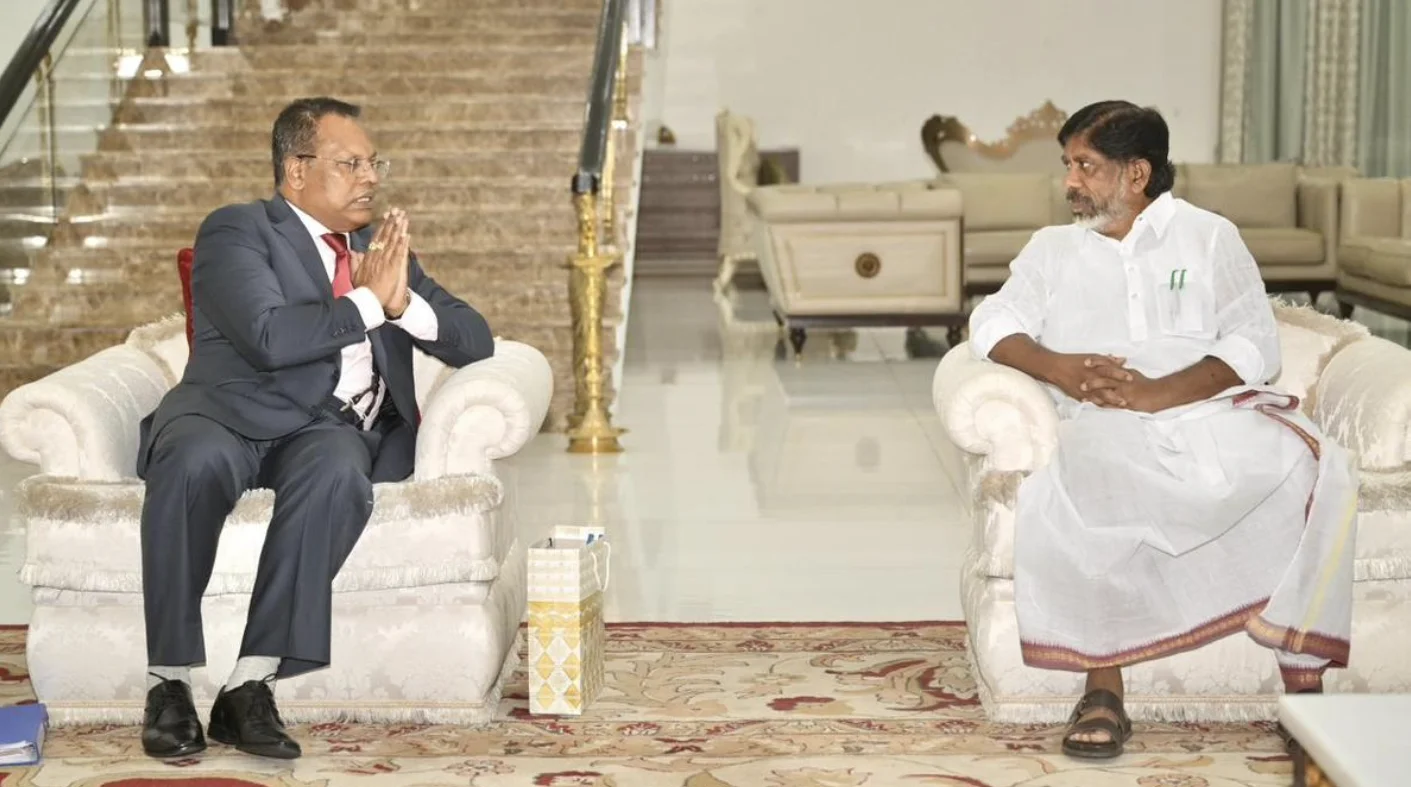
Telangana Deputy Chief Minister Bhatti Vikramarka has said the State government is ready to extend support for the preservation and promotion of the Telugu language and culture in Mauritius.
The proposed support is aimed at strengthening Telangana’s cultural connection with the Telugu diaspora and helping preserve a linguistic heritage that has survived in Mauritius for generations.
Telugu has a distinctive history in Mauritius. The language was brought to the island by Indian indentured labourers during the 19th century, and descendants of those communities are now fourth- and fifth-generation Mauritian citizens.
Telugu as an Ancestral Language
Mauritius is a multilingual country where several Indian-origin languages continue to have cultural significance.
Telugu occupies an important place among these ancestral languages. Unlike in Telangana and Andhra Pradesh, however, Telugu in Mauritius is not widely used as an everyday spoken language.
Instead, it has largely survived through education, religious activities, cultural organisations and community events.
Education Plays a Key Role
Education has become one of the most important tools for maintaining Telugu in Mauritius.
Telugu is taught as an ancestral language within the Mauritian education system. In addition, extension schools or evening schools have played a significant role in providing Telugu education outside regular school hours.
These institutions give children an opportunity to learn the language of their ancestors while also introducing them to Telugu traditions and cultural practices.
Role of Telugu Organisations
Community organisations have played an important role in keeping Telugu culture alive in Mauritius.
The Mauritius Andhra Maha Sabha, for instance, has historically worked to promote Telugu language and culture and organise religious and cultural activities. Such organisations provide spaces where younger generations can connect with their ancestral identity.
Telangana’s Potential Support
Support from Telangana could strengthen existing efforts in Mauritius.
Areas of cooperation could include Telugu teaching material, books, digital resources, teacher training and cultural exchange programmes.
Connecting Mauritian Telugu students with educational and cultural institutions in Telangana could also give young learners greater exposure to Telugu literature, history and contemporary culture.
Preserving a Generational Connection
For the Telugu community in Mauritius, the language represents more than communication.
It is closely associated with ancestral identity, family history and cultural traditions.
Research on Telugu in Mauritius has found that many learners study the language primarily to preserve their ancestral roots, even though Telugu is no longer widely spoken at home.
Keeping Young People Interested
One of the biggest challenges facing Telugu preservation in Mauritius is maintaining interest among younger generations.
As the use of Telugu at home declines, schools and community institutions have an increasingly important role in keeping the language relevant.
Modern teaching methods, digital learning tools, online classes and cultural exchange programmes could help make Telugu more accessible and attractive to younger learners.
Strengthening Cultural Ties
The initiative could also help strengthen broader cultural relations between Telangana and Mauritius.
Programmes involving Telugu literature, music, dance, folk traditions, festivals and other cultural activities could create opportunities for interaction between artists, teachers and students from both sides.
Such exchanges could also give people in Telangana greater awareness of the unique Telugu traditions that have developed within the Mauritian diaspora.
Telugu Language Day
Telugu language-related events are already organised in Mauritius.
Telugu Language Day, observed on August 29, is marked through seminars, workshops and educational activities involving teachers and students.
Greater participation from Telangana-based language experts, writers and cultural personalities could further strengthen such programmes.
Digital Opportunities
Digital technology offers another avenue for preserving Telugu in Mauritius.
Digital textbooks, online lessons, audio and video resources, Telugu dictionaries and electronic archives could make language learning easier for students who may have limited opportunities to use Telugu in everyday life.
Digital platforms could also help preserve oral histories, songs, stories and cultural traditions associated with the Mauritian Telugu community.
Preserving Culture Alongside Language
Language preservation cannot be separated from cultural preservation.
Songs, literature, religious traditions, festivals, stories and performing arts all contribute to maintaining a community’s linguistic identity.
Mauritian Telugu organisations have already used cultural and religious activities to maintain these connections. Greater institutional support could help expand and organise such initiatives.
Long-Term Approach Needed
Preserving Telugu for future generations will require cooperation between the Telangana government, Mauritian authorities, Telugu organisations, teachers and families.
Language education will remain central, but it will need to be supported by cultural activities, digital resources and opportunities for young people to engage with Telugu in meaningful ways.
Regular cultural exchanges between Telangana and Mauritius could also help create a sustained relationship rather than isolated programmes.
Wider Significance for the Telugu Diaspora
The Mauritius initiative is significant because it highlights the importance of supporting Telugu communities outside India.
Telugu has developed distinct diaspora communities across countries such as Mauritius, Malaysia, South Africa and Fiji. In these communities, language preservation often depends on education and cultural institutions rather than everyday household use.
Telangana’s engagement with such communities could therefore contribute to a broader effort to preserve Telugu as a global language and cultural heritage.
Conclusion
Telangana’s decision to support Telugu language and cultural preservation in Mauritius could provide a fresh boost to efforts that have continued for generations.
Telugu has survived in Mauritius through schools, extension schools, community organisations and cultural activities, despite its limited use as an everyday language.
Support in areas such as teaching resources, teacher training, digital education and cultural exchanges could help strengthen the language’s position among younger generations.
For Telangana, the initiative also offers an opportunity to deepen its cultural relationship with the Mauritian Telugu community and contribute to the preservation of Telugu heritage beyond India.